
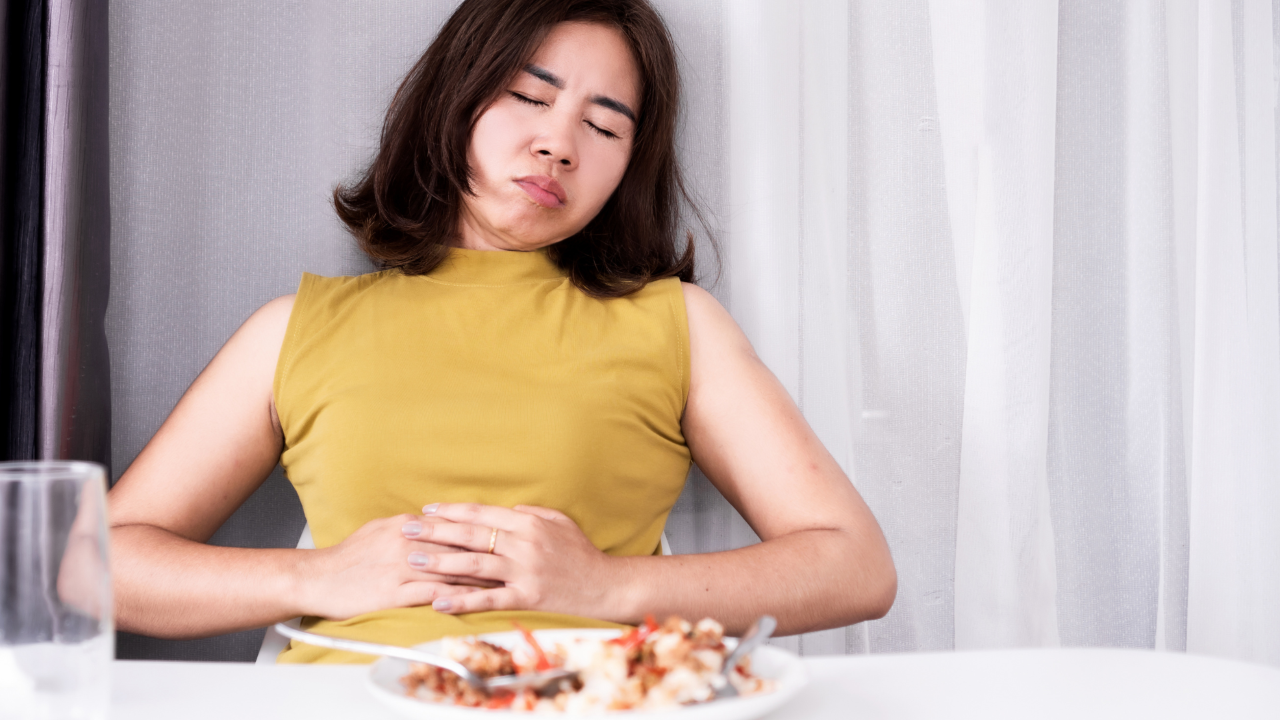
Why Am I Bloated All the Time?
By Dr. Sarah Khan, PhD, MBA
Functional Nutritionist NYC | Gut Health, SIBO & IBS Specialist
Bloating is one of the most common digestive complaints worldwide. For some people it shows up occasionally after a large meal. For others, it happens every single day: you wake up relatively comfortable, but by afternoon your stomach feels swollen, tight, and distended.
Perhaps you have already tried eliminating gluten, avoiding dairy, taking probiotics, drinking more water, and eating "clean." Yet the bloating persists.
As a functional nutritionist serving New York City and clients virtually throughout the United States, chronic bloating is one of the most common symptoms I see in people struggling with Hashimoto's disease, autoimmune conditions, hormone imbalances, constipation, SIBO, fatigue, and weight loss resistance.
The question isn't "How do I get rid of bloating?" It's "Why is my body creating bloating in the first place?"
The short answer
Constant bloating is a symptom, not a diagnosis. It usually traces to bacterial overgrowth (SIBO), slow motility, thyroid dysfunction, hormonal shifts, impaired bile flow, or a sensitized gut-brain axis.
Eating "clean" doesn't fix it because the problem is how you are digesting, not what you are eating. Most often, several of these drivers are working together.
|
9 root causes behind most chronic bloating |
6 body systems I evaluate in every bloating case |
3-6 months to resolve when SIBO, thyroid, or motility is the driver |
Free 2-Minute Quiz
Which root cause is driving your bloating?
Bloating can stem from SIBO, thyroid dysfunction, hormones, bile flow, motility, or the gut-brain axis, and the right fix depends on which one is yours. My free Root Cause Quick Scan points you toward your most likely driver in about two minutes.
Take the free Root Cause Quiz →Why Healthy People Get Bloated
One of the most frustrating experiences is doing everything "right" and still feeling terrible. You may be eating organic, avoiding processed foods, exercising regularly, taking supplements, and drinking plenty of water, yet still experiencing bloating, fatigue, brain fog, constipation, and weight loss resistance. (If that's you, you may also recognize yourself in why gut supplements often aren't working.)
This happens because digestion is not simply about the quality of your food. It depends on the coordinated function of the stomach, pancreas, liver, gallbladder, microbiome, thyroid, immune system, and nervous system.
Why your salad might be the problem: A healthy salad can actually worsen symptoms in someone with SIBO, slow motility, hypothyroidism, or impaired bile flow. Not because vegetables are unhealthy, but because digestion is impaired upstream.
What Research Has Taught Us About Bloating
Historically, bloating was thought to be caused primarily by excess intestinal gas. Modern research tells a much more nuanced story. Studies in gastroenterology journals show that bloating may result from excess gas production, altered gut motility, visceral hypersensitivity, abdomino-phrenic dyssynergia, constipation, hormonal changes, microbiome alterations, and gut-brain axis dysfunction.
This is why two people can eat the exact same meal and experience completely different symptoms.
The 9 Root Causes of Chronic Bloating at a Glance
Use this table to spot which patterns may apply to you, then read the detail on each one below.
| Root cause | Clues it may apply to you |
|---|---|
| 1. SIBO | Bloating within 30 to 90 minutes of meals; growing list of food reactions |
| 2. Methane and constipation | Constipation with severe, visible distension by evening |
| 3. Thyroid-gut connection | Fatigue, feeling cold, sluggish digestion |
| 4. Hashimoto's and autoimmunity | Gut and autoimmune symptoms that flare together |
| 5. Estrogen and histamine | Bloating that tracks your cycle or worsened in perimenopause |
| 6. Impaired bile flow | Bloating or nausea after fatty meals |
| 7. Visceral hypersensitivity | Bloating that worsens with stress or anxiety |
| 8. Gut-brain axis | Digestive symptoms alongside mood, sleep, or stress issues |
| 9. Abdomino-phrenic dyssynergia | Dramatic visible distension without much gas |
1. Small Intestinal Bacterial Overgrowth (SIBO)
SIBO occurs when excessive microbes colonize the small intestine. Instead of being absorbed efficiently, carbohydrates become fermented, and the result is increased gas production. Symptoms may include bloating, gas, constipation, diarrhea, brain fog, and food sensitivities. I cover how SIBO develops, how it's tested, and how it's treated in a dedicated guide, and you can read about working with me as a SIBO nutritionist in NYC.
One of the most important insights from functional medicine practitioner Michael Ruscio is that SIBO is often not the root cause. It frequently develops because of impaired motility, thyroid dysfunction, stress, previous food poisoning, or structural abnormalities. The question should always be: why did the overgrowth develop? It is also why so many people relapse after rifaximin.
2. Methane and Constipation
Many people with severe bloating also struggle with constipation. Research has identified methane-producing organisms such as Methanobrevibacter smithii as important contributors. Methane appears to slow intestinal transit, creating a self-reinforcing cycle:
Slow motility → more methane → more constipation → more bloating
This pattern is particularly common in women with Hashimoto's disease. Methane-driven overgrowth is now called IMO, and it behaves very differently from hydrogen SIBO. I explain the differences in SIBO subtypes explained.
3. The Thyroid-Gut Connection
One of the most overlooked causes of bloating is thyroid dysfunction. Thyroid hormones influence gastric emptying, intestinal contractions, microbiome composition, and metabolism. When thyroid function slows, constipation increases, SIBO risk increases, digestion slows, and bloating worsens.
This is one reason digestive symptoms are so common in Hashimoto's disease, a relationship I explore in depth in Hashimoto's and gut health, and one I address directly through my gut health nutrition work.
4. Hashimoto's Disease and Autoimmunity
Hashimoto's is not simply a thyroid condition. It is an immune system condition. Emerging research demonstrates significant interactions between the microbiome, intestinal permeability, immune regulation, and autoimmunity. Researchers including Alessio Fasano have highlighted the potential role of intestinal barrier dysfunction in autoimmune disease development and progression.
For many women, digestive symptoms and autoimmune symptoms are not separate issues. They are part of the same physiological story.
5. Estrogen, Histamine, and Hormonal Bloating
Many women notice worsening bloating before menstruation, around ovulation, or during perimenopause. Estrogen influences water retention, histamine activity, bile production, and gut permeability. Histamine, in turn, can influence inflammation, motility, and intestinal sensitivity. This hormone-gut overlap is central to my hormone health nutrition work.
6. Impaired Bile Flow
This is one of the most overlooked contributors to bloating. Bile is responsible for fat digestion, hormone elimination, cholesterol metabolism, and microbial regulation. When bile flow becomes impaired, people may experience bloating after fatty meals, constipation, nausea, and fullness. This is especially relevant in women going through hormonal changes.
7. Visceral Hypersensitivity
One of the most fascinating discoveries in modern gastroenterology is that some people do not produce excessive gas at all. They simply perceive normal amounts differently. This is known as visceral hypersensitivity.
It helps explain why stress worsens bloating, anxiety worsens IBS, and trauma histories correlate with digestive symptoms. The discomfort is real; the nervous system has become more sensitive to intestinal activity. This is the same gut-brain pathway I describe in the gut-anxiety connection.
8. The Gut-Brain Axis
The gut and brain communicate continuously through the vagus nerve, immune signaling, hormonal signaling, and microbial metabolites. Research from neurogastroenterologist Emeran Mayer has transformed our understanding of digestive disorders. The gut is not separate from the brain. The two function as an integrated system.
9. Abdomino-Phrenic Dyssynergia
A newer area of research suggests that some people with severe visible bloating may not actually have excessive gas. Instead, the diaphragm contracts downward while the abdominal wall relaxes outward, creating visible distension. This finding highlights why bloating is often more complex than food alone.
What Most Doctors Miss About Bloating
- Bloating is not always caused by food.
- A normal colonoscopy does not rule out dysfunction.
- Constipation can exist despite daily bowel movements.
- Thyroid dysfunction frequently contributes.
- Hormones influence digestion.
- Stress alters motility.
- The microbiome affects immune function.
- Gut symptoms often originate outside the gut.
My Functional Medicine Framework for Chronic Bloating
When I work with clients experiencing chronic bloating, I evaluate six major systems:
| System | What I look at |
|---|---|
| Blood sugar regulation | HbA1c, fasting glucose, fasting insulin |
| Thyroid function | TSH, free T3, free T4, TPO and thyroglobulin antibodies |
| Gut function | SIBO breath testing, stool testing, motility |
| Liver and gallbladder | Liver enzymes, bile flow, fat digestion |
| Hormones | Estrogen, progesterone, cortisol |
| Nervous system | Sleep, stress, recovery, vagal tone |
If SIBO testing is part of your workup, my guide to reading your SIBO breath test explains what the results mean, and when a negative result can be misleading.
Frequently Asked Questions About Chronic Bloating
Why am I bloated all the time even though I eat healthy?
Eating well does not guarantee that you are digesting well. Bloating that persists on a clean diet usually points to a functional problem such as bacterial overgrowth, slow motility, low stomach acid, impaired bile flow, or thyroid dysfunction. In those cases, high-fiber and raw foods can genuinely make symptoms worse, not because the food is unhealthy but because digestion is impaired upstream.
How do I know if my bloating is SIBO?
SIBO bloating typically begins within 30 to 90 minutes of eating, worsens with carbohydrates, legumes, and raw vegetables, and is often accompanied by food sensitivities that developed over time. A lactulose or glucose breath test is the only way to confirm it. A history of food poisoning, repeated antibiotic courses, or an IBS diagnosis that never fully responded makes SIBO considerably more likely. You can read more in my full guide to SIBO symptoms, testing, and treatment.
Can thyroid problems cause bloating?
Yes. Thyroid hormones regulate how quickly food moves through the digestive tract, so an underactive thyroid slows gastric emptying and intestinal contractions. That slowdown produces constipation, raises the risk of bacterial overgrowth, and creates persistent bloating. This is one of the reasons digestive symptoms are so common in Hashimoto's thyroiditis, and why a full thyroid panel belongs in any chronic bloating workup.
Why does my bloating get worse as the day goes on?
Bloating that is mild in the morning and severe by evening reflects accumulation. Each meal adds fermentation, gas, and fluid on top of what has not yet cleared, so slow motility, low stomach acid, and reduced bile output compound through the day. In some people the abdominal wall also relaxes outward while the diaphragm pushes down, a reflex pattern called abdomino-phrenic dyssynergia that produces visible distension without much extra gas.
Is my bloating hormonal?
It may be. Bloating that follows a predictable pattern around ovulation, in the week before your period, or through perimenopause is often estrogen-driven. Estrogen influences fluid retention, histamine activity, bile production, and gut permeability, which is why the same meal can feel fine one week and cause distension the next. Tracking symptoms against your cycle for two or three months usually makes the pattern obvious.
How long does it take for bloating to go away?
It depends entirely on the driver. Bloating from a single food trigger or short-term constipation can settle within days. Bloating caused by SIBO, thyroid dysfunction, or long-standing motility problems more often takes three to six months to fully resolve, because treatment has to address both the overgrowth and the reason it developed in the first place.
What tests should I ask for if I am bloated all the time?
A thorough starting point includes a full thyroid panel (TSH, free T3, free T4, TPO and thyroglobulin antibodies), fasting glucose, fasting insulin, HbA1c, liver enzymes, ferritin, and B12, plus a SIBO breath test and a comprehensive stool test. Standard bloodwork alone frequently comes back normal in people with significant bloating, which is why functional testing matters.
When should I see a doctor about bloating?
Bloating accompanied by unintentional weight loss, blood in the stool, persistent vomiting, difficulty swallowing, fever, severe or worsening abdominal pain, or new symptoms after age 50 warrants prompt medical evaluation to rule out structural and inflammatory disease. Functional nutrition work sits alongside that evaluation, never in place of it.
The Bottom Line
Key takeaways
- Bloating is not a diagnosis. It is a signal.
- For some people the root cause is SIBO. For others it is Hashimoto's, constipation, hormones, bile flow, motility, or nervous system dysregulation. Most often, it is a combination.
- Eating "cleaner" rarely fixes it, because the problem is usually how you digest rather than what you eat.
- When the underlying physiology is addressed, bloating often improves on its own.
That is the essence of a root-cause, systems-biology approach to digestive health. If you would like to pinpoint your most likely driver, my free Root Cause Assessment takes about two minutes.
Clinical References
- Lacy BE, et al. ACG Clinical Guideline: Management of Irritable Bowel Syndrome. American Journal of Gastroenterology, 2021. PubMed
- Pimentel M, et al. ACG Clinical Guideline: Small Intestinal Bacterial Overgrowth. American Journal of Gastroenterology, 2020.
- Rome Foundation, Rome IV Criteria. theromefoundation.org
This article is for educational purposes and is not a substitute for individualized medical care.
Supplements
Shop my professional-grade supplement dispensary
Get access to the practitioner-grade supplement brands I trust and recommend in my practice, shipped directly to your door through my Fullscript dispensary.
Create your free Fullscript account →Ready to get to the root cause?
If you're struggling with chronic bloating, Hashimoto's, autoimmune symptoms, hormone imbalances, fatigue, or weight loss resistance, I help clients uncover the underlying drivers through a personalized functional nutrition approach, whether you're here in NYC or anywhere in the country.
Book a complimentary discovery call →Dr. Sarah Khan, PhD, MBA
Integrative and Functional Nutritionist in NYC specializing in gut health, the gut-brain axis, autoimmune disease, and hormonal & metabolic health.