Perimenopause Nutritionist NYC: A Functional Nutrition Approach to Hormones, Weight, and Energy
Weight that won't budge, broken sleep, brain fog, and mood swings after 40? Work with a NYC Functional Nutritionist specializing in root-cause perimenopause support.
Book a Free Discovery Call
Perimenopause Is More Than "Just Getting Older"
You're doing what you've always done, eating well, exercising, trying to manage stress, yet suddenly your body feels like it belongs to someone else. The weight won't budge, your sleep is unraveling, your moods swing, brain fog rolls in, and your energy is unpredictable.
Many women are told this is simply aging, or that their labs are "normal" and there's nothing to be done. The reality is more nuanced. Perimenopause is a profound hormonal transition that affects nearly every system in the body, and the right nutrition and lifestyle support can make a meaningful difference in how you feel through it.
As a Functional Nutritionist in New York, I help women uncover the root drivers behind their perimenopausal symptoms so they can stabilize energy, manage weight, sleep better, and feel like themselves again. Hormonal health rarely exists in isolation, you can read more about my full approach on my hormone health page.
What Is Perimenopause?
Perimenopause is the transitional period leading up to menopause. Contrary to common belief, menopause does not begin when periods stop. Menopause is officially diagnosed after twelve consecutive months without a menstrual cycle. Perimenopause, however, can begin years earlier, often in the late 30s or early 40s.
It is sometimes described as "puberty in reverse" because hormones become increasingly unpredictable rather than simply declining in a straight line. During this stage, estrogen fluctuates dramatically, progesterone often declines first, ovulation becomes less regular, and the body's stress resilience and metabolism begin to shift.
These changes affect far more than reproductive health. Because estrogen and progesterone influence the brain, metabolism, bone, mood, sleep, and the cardiovascular system, perimenopause can produce symptoms that seem unrelated to hormones at all.
Common Symptoms of Perimenopause
Physical Symptoms
- Weight gain, especially around the midsection
- Difficulty losing weight despite consistent effort
- Hot flashes and night sweats
- Irregular or changing periods
- Disrupted sleep and frequent waking
- Fatigue and low energy
- Headaches or migraines
- Joint aches and muscle loss
Mental and Emotional Symptoms
Hormonal fluctuations affect the brain as much as the body.
- Brain fog and difficulty concentrating
- Increased anxiety
- Mood swings and irritability
- Low mood or depression
- Feeling "wired but tired"
- Reduced stress tolerance
Dr. Lisa Mosconi, a neuroscientist who studies the female brain, has highlighted how deeply the perimenopausal transition affects cognition and mood, not just reproductive hormones. If your labs keep coming back "normal" while these symptoms continue, deeper investigation is often warranted.
The Progesterone Decline Nobody Talks About
One of the earliest hormonal shifts in perimenopause is a decline in progesterone. Progesterone is produced after ovulation, so as ovulation becomes less predictable, progesterone often begins falling years before menopause.
Progesterone has calming, stabilizing effects on the nervous system and plays a role in sleep quality, mood, and stress resilience. As it declines, many women notice increased anxiety, more nighttime waking, heightened PMS, and a reduced ability to cope with stress, often long before estrogen changes become obvious.
Why Weight Gain Feels Different After 40
Perhaps no symptom is more frustrating than weight that won't respond to the strategies that always worked before. This is not a failure of willpower, it's physiology. Several changes converge during perimenopause:
- Reduced insulin sensitivity. Insulin resistance tends to increase during the menopausal transition, contributing to abdominal fat, cravings, and blood sugar instability.
- Declining muscle mass. Women naturally lose muscle with age, and because muscle is metabolically active, this lowers overall energy expenditure.
- Sleep disruption. Poor sleep alters hunger hormones and increases cravings for processed foods.
- Elevated stress hormones. Chronic stress and higher cortisol promote central weight gain.
I cover this in much more depth, including what actually helps, in my article on why you gain weight in perimenopause.
Why You Feel Exhausted But Can't Sleep
A hallmark of perimenopause is feeling simultaneously exhausted and overstimulated, "tired but wired." This is often driven by several overlapping factors: declining progesterone reducing its calming effect on the nervous system, fluctuating estrogen contributing to night sweats and temperature dysregulation, and rising cortisol from poor sleep feeding a self-reinforcing cycle.
Persistent exhaustion in midlife has many possible contributors beyond hormones alone, which I explore in 14 overlooked root causes of chronic fatigue.
The Perimenopause-Thyroid Connection
Perimenopause and thyroid dysfunction share strikingly similar symptoms, fatigue, weight gain, brain fog, hair thinning, and mood changes, which is why the two are so often confused or missed.
For women with Hashimoto's or hypothyroidism, perimenopause can amplify thyroid symptoms, and the overlap makes it especially important to evaluate both together rather than in isolation. If thyroid health is part of your picture, you may also want to explore my Hashimoto's nutrition page, and I dive into this specific overlap in why Hashimoto's symptoms can worsen after 40.
The Functional Medicine Perspective on Perimenopause
Conventional care often offers two options: wait it out, or manage individual symptoms as they arise. Hormone therapy can be genuinely helpful for many women and is worth discussing with your physician. But nutrition, blood sugar regulation, muscle, sleep, and stress physiology are powerful levers that are frequently overlooked.
The functional medicine question is not simply "how do we mask these symptoms?" but "how do we support the body through this transition so it adapts more smoothly?" The goal is to work with your changing physiology rather than against it.
My Functional Nutrition Framework for Perimenopause
Phase 1: Stabilize Blood Sugar and the Nervous System
Because blood sugar swings and chronic stress amplify nearly every perimenopausal symptom, we start here.
Blood Sugar Regulation supports energy, mood, hormone balance, and weight management.
Nervous System Support may include stress reduction practices, breathwork, sleep optimization, and gentle movement.
Phase 2: Build and Protect Muscle
Preserving muscle becomes one of the most important priorities in midlife. Support often includes adequate protein intake and strength-based movement to protect metabolism, bone, and insulin sensitivity.
Phase 3: Replenish Key Nutrients
Particular attention is given to nutrients commonly depleted or in higher demand during this stage, including iron and ferritin, vitamin D, magnesium, B12, and omega-3 fatty acids, ideally guided by appropriate lab testing.
Phase 4: Support Sleep, Hormones, and Long-Term Resilience
Long-term support focuses on sleep quality, stress resilience, and sustainable nutrition and lifestyle habits that carry through perimenopause and into menopause.
Perimenopause, Hormones, and Whole-Body Health
The hormonal changes of perimenopause rarely travel alone. Women in this stage commonly also experience or are evaluated for:
- Thyroid dysfunction and Hashimoto's
- Insulin resistance and metabolic changes
- Gut and digestive symptoms
- Bone density changes
- Cardiovascular and cholesterol shifts
Because these systems are interconnected, addressing the whole picture matters. If gut symptoms are part of your experience, my gut health page may also be relevant.
Frequently Asked Questions
Is Weight Gain in Perimenopause Inevitable?
No. While the metabolic changes of perimenopause make weight management harder, they are not insurmountable. Addressing blood sugar, protein, muscle, sleep, and stress can meaningfully shift how your body responds, even when previous approaches have stopped working.
Can Nutrition Really Help My Symptoms?
Yes. Nutrition and lifestyle won't stop the hormonal transition itself, but they powerfully influence how you experience it, affecting energy, mood, sleep, weight, and inflammation. For many women, these changes are the difference between struggling through perimenopause and moving through it with more stability.
Do I Need Hormone Replacement Therapy?
That's a decision to make with your physician. Hormone therapy is appropriate and helpful for many women, and functional nutrition works alongside it rather than replacing it. My focus is on the nutrition, metabolic, and lifestyle factors that support you regardless of whether you choose hormone therapy.
Why Work With Dr. Sarah Khan, PhD, MBA?
I specialize in helping women uncover the root causes behind perimenopausal symptoms, weight resistance, fatigue, hormone imbalances, thyroid dysfunction, and inflammation.
My approach combines:
✓ Functional Nutrition
✓ Evidence-Based Research
✓ Root-Cause Investigation
✓ Metabolic & Hormonal Expertise
✓ Thyroid & Autoimmune Knowledge
✓ Personalized Nutrition & Lifestyle Strategies
Rather than chasing symptoms, we work together to understand why your body is struggling and create a sustainable path forward.
Ready to Feel Like Yourself Again?
If you're frustrated by weight that won't budge, exhaustion that sleep doesn't fix, mood swings, or brain fog, and tired of being told it's "just your age," let's uncover what's really driving your symptoms.
Schedule a free discovery call to learn how functional nutrition can support you through perimenopause.
Book a Free Discovery Call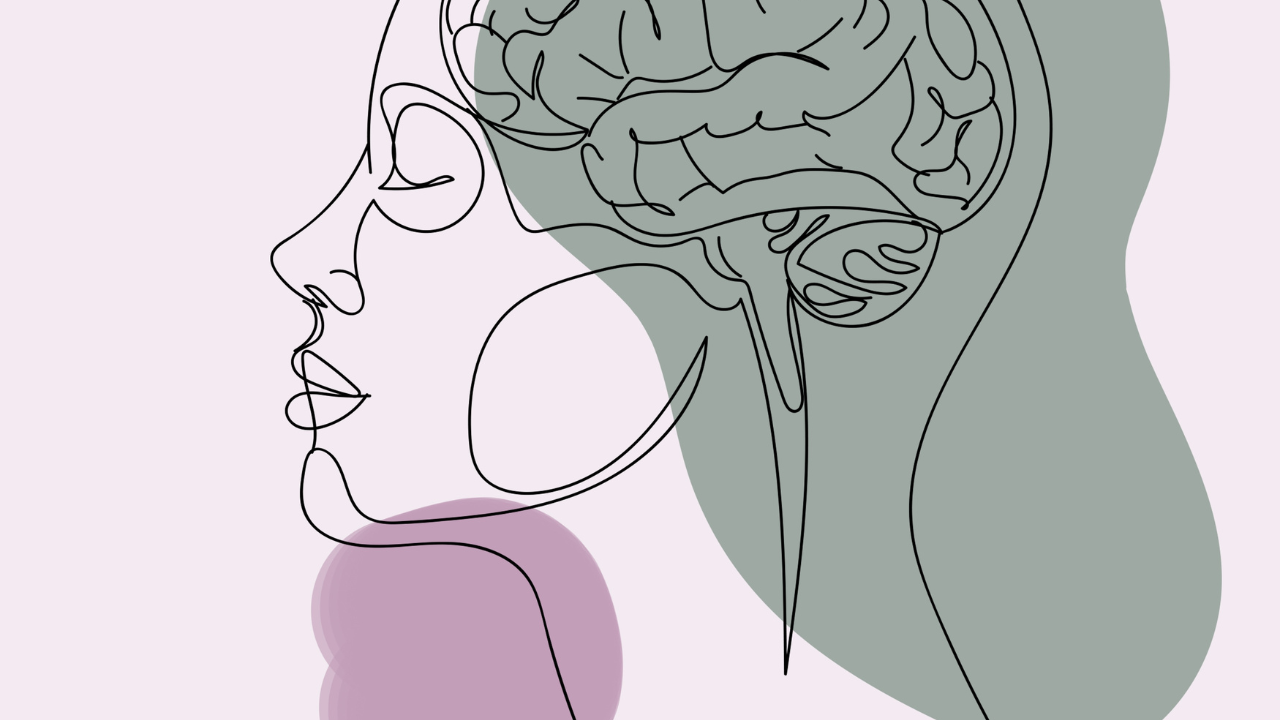
“From someone who didn't eat breakfast for years, I now wake up craving it!”
Dr. Khan transformed my lifestyle — my eating habits, sleep, fatigue, and digestive issues all improved so much. Her recipes and little ideas have helped me tremendously. I highly recommend her!
June M.