Hashimoto’s and Gut Health: The Missing Link Most People Aren’t Told About
When most people think about Hashimoto's thyroiditis, they think about the thyroid gland. They think about thyroid hormone levels, medication, fatigue, weight gain, hair loss, and brain fog.
What many people don't realize is that Hashimoto's is not simply a thyroid condition. Hashimoto's is an autoimmune disease. And because nearly 70% of the immune system resides within the gastrointestinal tract, researchers and clinicians alike have become increasingly interested in understanding the relationship between gut health and thyroid autoimmunity. (This is the heart of my functional nutrition for Hashimoto's & autoimmune disease work.)
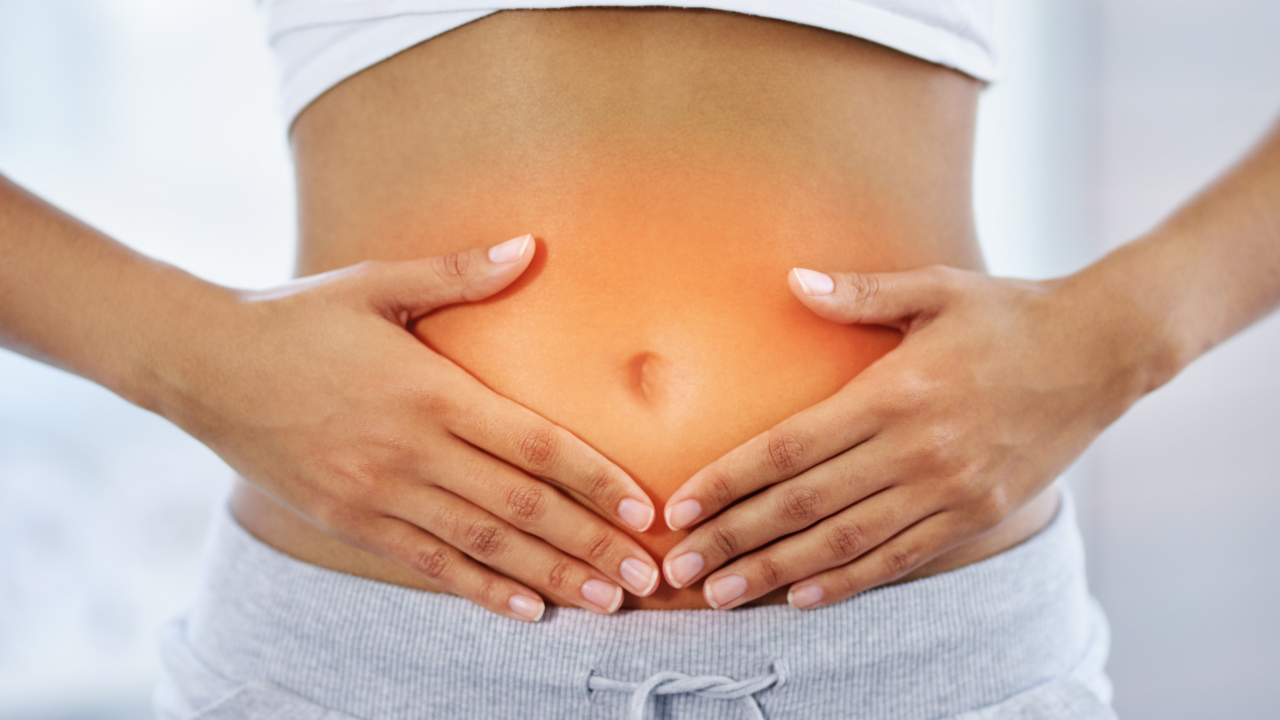
If you have Hashimoto's and struggle with bloating, constipation, diarrhea, reflux, food sensitivities, or recurring digestive symptoms, your gut may be an important piece of the puzzle.
What Is Hashimoto's Thyroiditis?
Hashimoto's thyroiditis is the most common autoimmune disease and the leading cause of hypothyroidism in the United States. In Hashimoto's, the immune system mistakenly attacks thyroid tissue, gradually impairing the thyroid gland's ability to produce adequate thyroid hormone.
Over time, this may contribute to symptoms such as:
- Fatigue
- Weight gain
- Brain fog
- Depression
- Hair loss
- Constipation
- Dry skin
- Cold intolerance
While thyroid hormone replacement can help restore hormone levels, many individuals continue to experience symptoms despite treatment. This has led researchers to investigate additional factors that may influence disease progression and symptom burden. One area receiving increasing attention is the gut. (Gut dysfunction is just one of the seven biggest root causes of Hashimoto's I see in practice.)
Why Does Gut Health Matter in Autoimmune Disease?
The digestive tract is much more than a system for breaking down food. The gut plays a central role in immune regulation, nutrient absorption, inflammation, hormone metabolism, and nervous system function.
The gut microbiome consists of trillions of microorganisms that interact continuously with the immune system. When microbial balance becomes disrupted, immune regulation may also become impaired. Research increasingly supports the idea that alterations in gut microbial composition are associated with autoimmune diseases, including Hashimoto's thyroiditis.
The Gut-Thyroid Axis
Functional medicine practitioners often discuss the concept of the gut-thyroid axis, which describes the complex communication between the microbiome, the immune system, the digestive tract, and thyroid hormone metabolism.
The health of the gastrointestinal tract may influence thyroid function through several mechanisms, including nutrient absorption, immune activation, inflammation, and hormone conversion. When gut function becomes compromised, thyroid health may also be affected.
Intestinal Permeability ("Leaky Gut") and Hashimoto's
One of the most discussed mechanisms linking gut health and autoimmunity is intestinal permeability. The intestinal lining acts as a barrier between the contents of the digestive tract and the bloodstream. When this barrier becomes compromised, larger particles may pass through more easily, including undigested food proteins, bacterial fragments, and toxins.
This can stimulate immune activation and inflammatory responses. Research suggests increased intestinal permeability is present in many autoimmune conditions and may play a role in autoimmune disease development and progression. While intestinal permeability alone does not cause Hashimoto's, it may contribute to ongoing immune dysregulation in susceptible individuals.
Hashimoto's and the Gut Microbiome
Research has identified differences in gut microbial composition among individuals with Hashimoto's thyroiditis compared to healthy controls. The microbiome influences T-cell regulation, immune tolerance, inflammation, and nutrient production. Disruptions within the microbiome may alter immune signaling and contribute to chronic inflammation.
Factors that may negatively affect microbial diversity include highly processed diets, chronic stress, poor sleep, antibiotic exposure, and sedentary lifestyles. Supporting microbial diversity is often an important component of a comprehensive wellness strategy. (My guide to probiotics, prebiotics, and postbiotics walks through exactly how to do this with food.)
SIBO and Hashimoto's
One of the most common digestive issues I see in individuals with Hashimoto's is Small Intestinal Bacterial Overgrowth (SIBO). SIBO occurs when excessive bacteria accumulate within the small intestine. Common symptoms include bloating, gas, constipation, diarrhea, food sensitivities, and brain fog.
Research has demonstrated higher rates of SIBO among individuals with hypothyroidism. One reason may be impaired gut motility. Thyroid hormones help regulate the movement of food through the digestive tract. When thyroid function declines, intestinal transit time often slows, and this slower movement may create an environment that allows bacterial overgrowth to develop. For some individuals, addressing gut dysfunction may be an important step toward improving overall quality of life. (I cover why SIBO develops and how it's treated in detail, and offer dedicated gut health & IBS nutrition support.)
Nutrient Deficiencies: The Hidden Connection
Optimal thyroid function requires adequate nutrient intake and absorption. Many nutrients involved in thyroid physiology are absorbed through the gastrointestinal tract, so digestive dysfunction may contribute to deficiencies in:
- Iron: Necessary for thyroid hormone synthesis and energy production. Low ferritin levels may contribute to fatigue, hair loss, and poor exercise recovery.
- Vitamin B12: Deficiency is more common among individuals with autoimmune conditions and may contribute to brain fog, fatigue, and neurological symptoms.
- Selenium: Plays a critical role in thyroid hormone conversion and antioxidant protection.
- Zinc: Supports thyroid hormone metabolism and immune function.
- Vitamin D: Involved in immune regulation and extensively studied in autoimmune thyroid disease.
Many of these nutrients are also the foundation of what to eat with Hashimoto's — the specific foods that help calm the autoimmune attack.
The Role of Chronic Stress
The gut and brain are deeply connected. Chronic stress may negatively influence digestion, gut motility, microbial diversity, and intestinal permeability. Many individuals with Hashimoto's are high-achieving women juggling careers, family responsibilities, and chronic stress. Addressing stress physiology is often a missing piece of the healing puzzle.
Supporting Gut Health With Hashimoto's
There is no one-size-fits-all approach. However, foundational strategies may include:
Prioritizing protein. Protein provides amino acids necessary for tissue repair, immune function, and blood sugar regulation.
Increasing fiber intake. Fiber supports microbial diversity and short-chain fatty acid production. Sources include vegetables, berries, legumes (when tolerated), and nuts and seeds.
Managing blood sugar. Blood sugar fluctuations can contribute to inflammation and hormonal stress. Balanced meals containing protein, fiber, and healthy fats often improve energy and satiety.
Supporting digestive function. Depending on the individual, this may include addressing low stomach acid, bile flow, digestive enzyme production, and gut motility.
Improving sleep. Sleep is one of the most powerful regulators of immune function and inflammation.
A Functional Nutrition Perspective on Hashimoto's
Hashimoto's is rarely just about the thyroid. The immune system, digestive tract, nervous system, and endocrine system are interconnected. Rather than focusing solely on thyroid hormone levels, a functional nutrition approach seeks to understand the broader factors influencing health and symptom burden. This is especially true in midlife, when Hashimoto's and perimenopause often collide and amplify one another.
This includes evaluating gut health, nutrient status, inflammation, blood sugar regulation, stress physiology, and lifestyle habits. By supporting these foundational systems, many individuals experience improvements in energy, digestion, resilience, and overall well-being. If you'd like personalized, root-cause support, learn more about working with a Hashimoto's nutritionist in NYC, or if you're not sure which system is driving your symptoms, my free Root Cause Assessment is a quick place to start.
Frequently Asked Questions About Hashimoto's and Gut Health
Can healing your gut improve Hashimoto's?
Supporting gut health will not reverse an autoimmune diagnosis, but it can meaningfully change how you feel and how actively the immune system is engaged. Because the gut regulates immune tolerance, nutrient absorption, and inflammation, addressing dysbiosis, intestinal permeability, and SIBO often improves energy, digestion, and symptom burden even when thyroid labs stay the same.
Why does Hashimoto's cause bloating and constipation?
Thyroid hormones set the pace of intestinal motility, so when thyroid function declines, food moves through the digestive tract more slowly. That slowdown produces constipation directly and creates the stagnant conditions in which bacteria overgrow, which is why SIBO rates are significantly higher in people with hypothyroidism. Bloating in Hashimoto's is usually a motility problem before it is a food problem.
Do I need to give up gluten if I have Hashimoto's?
Celiac disease is more common in people with Hashimoto's, so screening for it before removing gluten is worthwhile, since testing requires you to still be eating it. Beyond celiac, evidence for gluten removal in Hashimoto's is mixed, and response varies considerably between individuals. A structured trial with reintroduction tells you more than a permanent restriction adopted on principle.
What nutrient deficiencies are most common with Hashimoto's?
Iron and ferritin, vitamin B12, vitamin D, selenium, and zinc are the ones I check most often. All five are absorbed or activated in ways that depend on healthy digestion, and all five matter for thyroid hormone production or conversion. Low ferritin in particular is frequently behind fatigue and hair loss that persist despite well-managed thyroid medication.
Can gut problems raise thyroid antibodies?
The relationship is associative rather than proven cause and effect, but the mechanism is plausible and well studied. Increased intestinal permeability allows food proteins and bacterial fragments to reach immune tissue, driving immune activation that may sustain the autoimmune process. Some people see antibody levels fall as gut health improves, though this is not universal and antibodies are only one measure of how you are doing.
Why do I still have symptoms if my thyroid medication is working?
Because thyroid hormone replacement corrects hormone levels without addressing the reasons you feel unwell. Nutrient depletion, bacterial overgrowth, ongoing inflammation, unstable blood sugar, poor sleep, and cortisol dysregulation all produce fatigue and brain fog independently of TSH. This is the most common reason a person is told their thyroid is well controlled while still feeling far from well. I unpack it further in why you still feel bad with normal thyroid labs.
Should I take probiotics for Hashimoto's?
Probiotics can help, but they are not a starting point for everyone. In someone with untreated SIBO, adding probiotics sometimes worsens bloating. It is generally more productive to establish what is happening in the gut first, then use targeted strains alongside dietary fiber and polyphenols rather than reaching for a broad-spectrum product by default.
How long does it take to see improvement in gut symptoms with Hashimoto's?
Digestive symptoms such as bloating and irregularity often improve within four to eight weeks of targeted work. Nutrient repletion, particularly iron, takes closer to three months to register as better energy. Changes in inflammation and immune markers move more slowly still, typically over six to twelve months, which is why this work is better measured in seasons than weeks.
Supplements
Shop my professional-grade supplement dispensary
Find the practitioner-grade gut, thyroid, and nutrient-repletion formulas I trust in my practice — shipped directly to your door — through my Fullscript dispensary.
Create your free Fullscript account →Ready to address the root causes of Hashimoto's?
If you're struggling with Hashimoto's, bloating, fatigue, brain fog, or food sensitivities, there may be more to the story than thyroid hormone levels alone. I offer complimentary discovery calls to explore a personalized approach.
Book a complimentary discovery call →Dr. Sarah Khan, PhD, MBA
Integrative and Functional Nutritionist in NYC specializing in gut health, the gut-brain axis, autoimmune disease, and hormonal & metabolic health.