The AIP Diet (Autoimmune Protocol): What It Is, Whether It Works, and Who Should Try It
By Dr. Sarah Khan, PhD, MBA, Functional Nutritionist NYC | Hashimoto's, Hormone, Autoimmune & Gut Health Specialist
If you have an autoimmune condition and you've started researching what to eat, you've almost certainly run into the AIP diet, the Autoimmune Protocol. You've probably also run into a wall of conflicting information: glowing testimonials on one side, warnings about an extreme, joyless elimination diet on the other.
Here's the perspective I bring to this in my autoimmune nutrition practice: AIP is a powerful tool that is frequently misused. Done correctly, it's a temporary, structured experiment to learn what your body reacts to. Done incorrectly, it becomes an indefinite, anxiety-inducing list of forbidden foods that does more harm than good. The difference is everything.
Free 2-Minute Quiz
Before you eliminate anything, find your root cause
Diet is one lever in autoimmunity, but it's rarely the only one. My free Root Cause Quick Scan helps you see which system, whether gut, immune, blood sugar, or stress, is most likely driving your symptoms, in about two minutes.
Take the free Root Cause Quiz →What Is the AIP (Autoimmune Protocol) Diet?
The Autoimmune Protocol is a structured elimination diet built on a specific premise: that in genetically susceptible people, a compromised gut barrier ("leaky gut") lets food proteins provoke the immune system, feeding the inflammation behind autoimmune symptoms. AIP temporarily removes the foods most likely to drive that reaction, then systematically reintroduces them to identify your individual triggers.
It's often described as a stricter extension of paleo. Beyond cutting processed foods, grains, dairy, and legumes, AIP also removes foods that are well-tolerated by most people but can be reactive in autoimmunity, including eggs, nuts, seeds, and nightshade vegetables. If you're wondering about that last category, I cover it in detail in is eggplant a nightshade.
The Three Phases of AIP (and Why the Last Two Matter Most)
This is where most online guides, and most people doing AIP on their own, go wrong. AIP is not one phase. It's three, and skipping the back half defeats the entire purpose.
Phase 1: Elimination
For a defined window, typically 4 to 8 weeks, sometimes up to a few months, you remove the potentially reactive foods while eating nutrient-dense whole foods. The goal is to quiet the immune system enough that symptoms noticeably improve, giving you a clean baseline. This phase is meant to be temporary.
Phase 2: Reintroduction
This is the actual diagnostic heart of AIP, and the part people skip most often. You reintroduce eliminated foods one at a time, methodically, watching for a return of symptoms. This is how you learn what your body reacts to, which is rarely the entire elimination list. Most people tolerate far more than they feared.
Phase 3: Personalized Maintenance
The endpoint is not the elimination list. It's the widest, most varied, most enjoyable diet that keeps you symptom-free. For most people that's dramatically less restrictive than Phase 1. An eating pattern that stays permanently stuck in elimination is a failure of the protocol, not a success.
Does the AIP Diet Actually Work?
The honest answer: the early research is promising but limited. Small clinical trials have shown meaningful symptom improvement and quality-of-life gains, with the strongest evidence so far in inflammatory bowel disease and Hashimoto's thyroiditis. Many people report better digestion, less joint pain, steadier energy, and improved sleep.
Two honest caveats matter. First, AIP studies typically bundle diet with stress management, sleep, and lifestyle changes, so it's hard to isolate how much benefit comes from food alone. Second, AIP is not a cure. Autoimmune conditions aren't cured by diet, they're managed. AIP is a tool for identifying triggers and reducing the food-driven portion of inflammation, not a standalone fix.
Who AIP Can Help, and Who Should Be Cautious
AIP may be worth considering if you have a diagnosed autoimmune condition, have significant ongoing symptoms despite standard care, and suspect food is a contributor. It can be especially clarifying when symptoms are diffuse and you can't pin down which foods, if any, are involved.
It calls for real caution, and ideally professional supervision, if you have a history of disordered eating, are underweight or struggle to maintain weight, are pregnant or breastfeeding, or already eat a very limited diet. Because AIP is restrictive, it carries a genuine risk of nutrient gaps and an unhealthy relationship with food when done without guidance. The restriction is a means to an end, never the goal itself.
The Biggest Mistake People Make With AIP
By far the most common error I see is treating elimination as the destination. People feel better in Phase 1, get scared to reintroduce anything, and stay on a punishing version of the diet for months or years. This is counterproductive: an unnecessarily narrow diet starves the gut microbiome of the fiber diversity it needs, can create new sensitivities, and turns eating into a source of fear rather than nourishment. A shrinking food list is a red flag, not a win.
Why Diet Is Only One Piece of the Autoimmune Picture
Even a perfectly executed AIP addresses just one driver of autoimmunity. The immune system is also shaped by gut health, nutrient status, blood sugar regulation, chronic stress and HPA-axis function, sleep, and environmental exposures. The broader framework I use is laid out in the autoimmune and gut connection. This is why two people can follow the identical diet and get completely different results: their underlying drivers differ. Nutrients like vitamin D, for instance, play a direct role in immune regulation that no elimination diet can replace, as I explain in the critical role of vitamin D.
The Bottom Line
The AIP diet is a legitimate, useful tool when it's used as designed: a temporary, three-phase experiment to identify your personal food triggers, ending in the most varied diet that keeps you well. It is not a permanent lifestyle, not a cure, and not the whole answer. Used thoughtfully, ideally with support, it can be genuinely clarifying. Used as an open-ended list of banned foods, it backfires.
If you're considering AIP and want to do it correctly, or you've been stuck in elimination and aren't sure how to move forward, learn more about working with an autoimmune disease nutritionist, or start with my free Root Cause Assessment.
Frequently Asked Questions About the AIP Diet
What foods can you eat on the AIP diet?
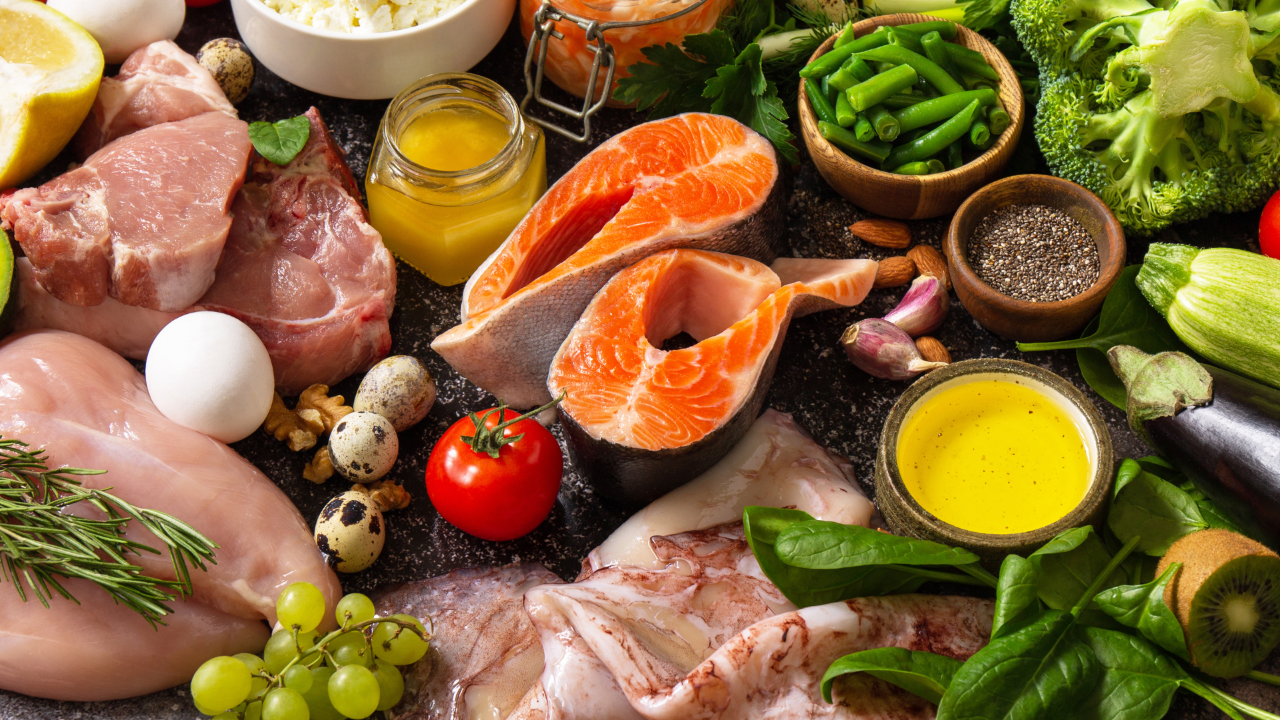
The AIP diet centers on meat and fish, most vegetables other than nightshades, fruit in moderation, healthy fats such as olive oil, avocado, and coconut, and fermented foods that contain no dairy. Removed during elimination are grains, legumes, dairy, eggs, nuts, seeds, nightshades, refined sugar, alcohol, and most processed foods. The emphasis is on nutrient density, not simply on subtraction.
How long should you stay on the AIP elimination phase?
Four to eight weeks is the usual window, occasionally extending to a few months if symptoms are slow to settle. It is meant to be finite. If you have been in elimination for six months or more without reintroducing anything, the protocol has stopped working as designed and has become plain restriction.
Is the AIP diet the same as paleo?
No, though AIP is built on a paleo foundation. Paleo removes grains, legumes, dairy, and processed foods. AIP removes all of those plus eggs, nuts, seeds, and nightshades, foods most people tolerate well but which can be reactive in autoimmunity. AIP is also temporary and diagnostic by design, whereas paleo is generally followed as an ongoing pattern.
Does AIP help Hashimoto's?
Some of the strongest AIP evidence to date comes from small trials in Hashimoto's, where participants reported meaningful symptom improvement and better quality of life. What is less clear is how much of that came from food, since those studies included stress and lifestyle changes as well. AIP can help identify food triggers in Hashimoto's, but it does not replace medication or address the other drivers of thyroid autoimmunity.
How do you reintroduce foods after AIP?
One food at a time, with several days between each. Introduce a small amount, then a larger amount later the same day if there is no reaction, then wait three to five days while watching for returning symptoms before trying the next food. Reintroducing several foods at once tells you nothing, which is why rushing this phase wastes the elimination work entirely.
Is the AIP diet safe long term?
The elimination phase is not intended for long-term use, and following it indefinitely risks nutrient gaps in calcium, fiber, and B vitamins, along with reduced microbiome diversity from the narrowed range of plant foods. The safe long-term version of AIP is Phase 3, your own personalized maintenance diet, which for most people is far broader than the elimination list.
Who should not try the AIP diet?
Anyone with a history of disordered eating, anyone underweight or struggling to maintain weight, anyone pregnant or breastfeeding, and anyone already eating a very restricted diet should not begin AIP without professional supervision. Children and adolescents should not undertake it independently either. For these groups, the risks of restriction often outweigh the diagnostic benefit.
What is the difference between AIP and an elimination diet?
AIP is a specific type of elimination diet, defined by a fixed list of foods chosen for their potential to provoke an immune response. General elimination diets are usually narrower and more targeted, removing only a handful of suspected foods such as dairy or gluten. When only one or two triggers are suspected, a targeted elimination is often the better and considerably less demanding choice.
Supplements
Shop my professional-grade supplement dispensary
Get access to the practitioner-grade supplement brands I trust and recommend in my practice, shipped directly to your door through my Fullscript dispensary.
Create your free Fullscript account →Ready to get to the root cause?
If you're living with an autoimmune condition and trying to figure out what to eat, I help people use food strategically, identifying triggers without endless restriction, through a personalized functional nutrition approach, whether you're here in NYC or anywhere in the country.
Book a complimentary discovery call →Dr. Sarah Khan, PhD, MBA
Integrative and Functional Nutritionist in NYC specializing in gut health, the gut-brain axis, autoimmune disease, and hormonal & metabolic health.