Is Eggplant a Nightshade? The Science Behind Nightshades, Inflammation, Autoimmune Disease, and Gut Health
If you’ve spent any time in the autoimmune, functional medicine, or wellness world, you’ve likely heard someone say:
“Nightshades are inflammatory.”
Perhaps you’ve been told to eliminate tomatoes, peppers, potatoes, and eggplant to reduce inflammation, heal your gut, or improve autoimmune symptoms. But what does the scientific literature actually say?
As a Functional Nutritionist specializing in autoimmune disease, gut health, and chronic inflammation, I frequently work with patients who have been told that nightshades are the cause of their symptoms. While some individuals do feel better after eliminating them, the current scientific evidence paints a much more nuanced picture.
The reality is that nightshades are not inherently inflammatory for most people. In fact, many nightshade vegetables contain compounds that have been shown to support health, reduce oxidative stress, and provide powerful antioxidant benefits.
The better question may not be “Are nightshades bad?” but rather “Why might some people react to nightshades when most people do not?” Let’s explore what the research actually shows.
What Are Nightshades?
Nightshades belong to the Solanaceae family of plants. Common edible nightshades include:
- Eggplant
- Tomatoes
- Bell peppers
- Jalapeños
- Chili peppers
- White potatoes
- Tomatillos
- Goji berries
The nightshade family also includes several non-edible and potentially toxic plants, including deadly nightshade (Atropa belladonna), which is partly responsible for the fear surrounding this group of vegetables. However, sharing a botanical family does not mean edible nightshades carry the same risks as toxic plant species.
Is Eggplant a Nightshade?
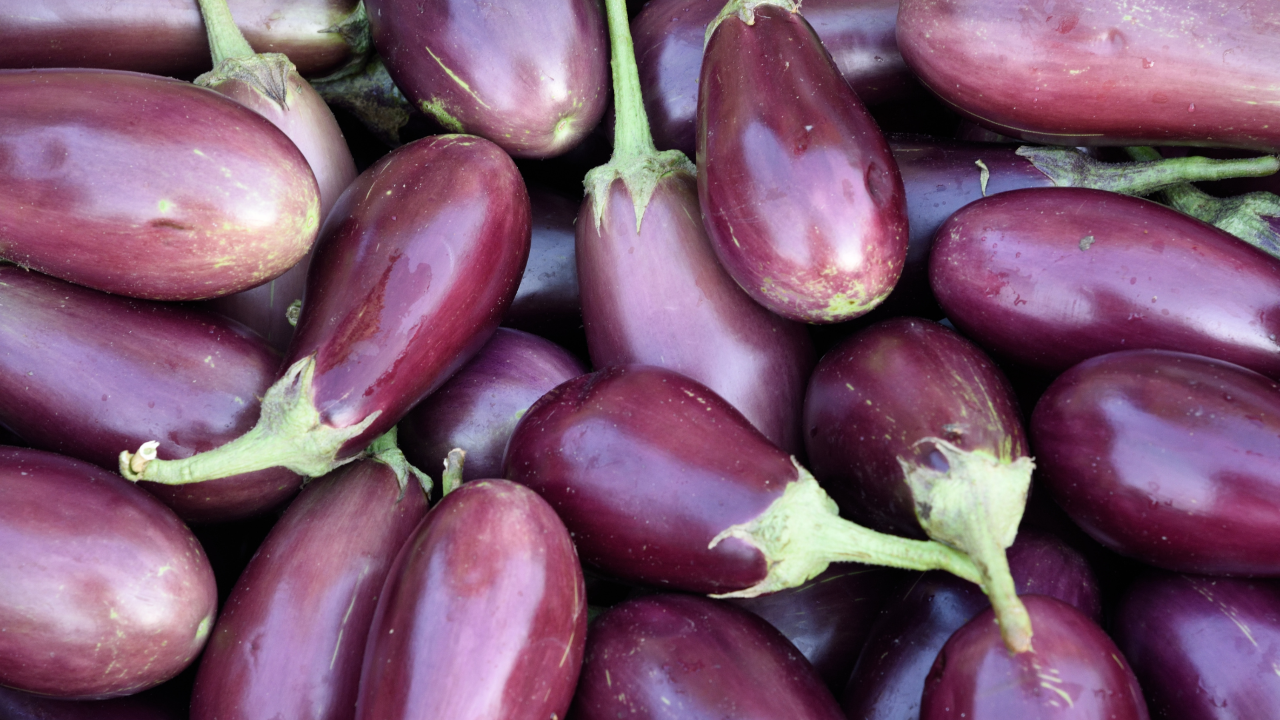
Yes. Eggplant is considered a nightshade vegetable. In fact, eggplant is one of the most nutrient-dense members of the nightshade family and contains:
- Fiber
- Potassium
- Manganese
- Vitamin C
- Polyphenols
- Anthocyanins
- Chlorogenic acid
The deep purple color of eggplant skin comes from a compound called nasunin, a potent antioxidant that has been studied for its anti-inflammatory and neuroprotective properties.
This is where the nightshade discussion becomes interesting. Many of the foods being labeled as inflammatory actually contain compounds that have demonstrated anti-inflammatory effects in scientific research.
Why Are Nightshades Considered “Bad”?
Most concerns stem from naturally occurring compounds known as alkaloids and glycoalkaloids. Plants produce these compounds as a defense mechanism against insects, pests, and environmental stressors. Examples include:
- Solanine
- Chaconine
- Tomatine
Researchers know these compounds are biologically active. Studies have shown that glycoalkaloids can:
- Influence intestinal cell membranes
- Alter gut barrier integrity under certain conditions
- Affect immune signaling pathways
- Impact intestinal permeability in laboratory models
This has led some researchers to hypothesize that nightshades could aggravate symptoms in susceptible individuals. However, it is important to distinguish between laboratory findings, animal studies, and human clinical outcomes.
The presence of a biologically active compound does not automatically mean a food is harmful when consumed as part of a normal diet. Dose matters. Context matters. Most importantly, the health of the individual consuming the food matters.
Do Nightshades Cause Inflammation?
The short answer: current evidence does not support the claim that nightshades are broadly inflammatory for most people. This may come as a surprise given how frequently nightshades are blamed for chronic inflammation, arthritis, autoimmune disease, and digestive issues.
Despite widespread claims online, researchers have not established that consuming nightshades causes systemic inflammation in healthy individuals. In fact, many nightshade vegetables contain compounds associated with reduced oxidative stress and improved cardiometabolic health.
- Tomatoes provide lycopene, vitamin C, and beta-carotene
- Eggplant provides nasunin, chlorogenic acid, and anthocyanins
- Peppers provide vitamin C, carotenoids, and polyphenols
These nutrients are generally associated with anti-inflammatory effects rather than pro-inflammatory effects. Additionally, many nightshades are foundational components of the Mediterranean diet, one of the most extensively researched anti-inflammatory dietary patterns in the world.
If nightshades were universally inflammatory, we would expect populations consuming large amounts of tomatoes, peppers, and eggplant to demonstrate worse inflammatory outcomes. Instead, we consistently see the opposite.
What Does the Research Say About Autoimmune Disease?
One of the most common claims is that individuals with autoimmune disease should avoid all nightshades. However, current evidence does not support this blanket recommendation. There is currently no convincing evidence that nightshades:
- Cause Hashimoto’s disease
- Cause lupus
- Cause rheumatoid arthritis
- Cause psoriasis
- Cause inflammatory bowel disease
Nor is there strong evidence demonstrating that nightshades worsen autoimmune disease in most patients. This is an important distinction.
Many individuals with autoimmune disease report symptom improvement after removing nightshades. However, symptom improvement does not necessarily mean nightshades were the root cause. The underlying issue may be something else entirely.
The Missing Piece: Gut Health
From a functional medicine perspective, this is where the conversation becomes far more clinically relevant. Recent research suggests that nightshades may be problematic for a subset of individuals with pre-existing gastrointestinal dysfunction.
Rather than causing disease, nightshades may aggravate symptoms in those who already have:
- Gut dysbiosis
- Increased intestinal permeability
- Irritable bowel syndrome (IBS)
- Inflammatory bowel disease (IBD)
- Histamine intolerance
- Mast cell activation syndrome
- Significant intestinal inflammation
This is a very different conclusion from saying “Nightshades are inflammatory.” Instead, the research suggests: “Nightshades may be poorly tolerated in individuals who already have underlying gut dysfunction.”
In other words, the nightshade may not be the root cause. It may simply be revealing an existing problem. (If this sounds familiar, my guide on why your gut supplements aren’t working explores the same root-cause-versus-symptom theme.)
Are Nightshades Really the Problem?
This is perhaps the most important question. If removing nightshades improves symptoms, it is worth asking: why was the body reacting in the first place? Potential contributors include:
Gut Dysbiosis
An imbalance in the gut microbiome can alter immune signaling, intestinal barrier function, and food tolerance.
Increased Intestinal Permeability
When the gut barrier becomes compromised, larger food particles and microbial products may interact with the immune system more readily.
Histamine Intolerance
Some nightshades may contribute to histamine release or worsen symptoms in susceptible individuals.
Mast Cell Activation
Certain individuals experience heightened immune reactivity that can increase sensitivity to otherwise healthy foods.
Chronic Inflammation
Underlying inflammatory processes may lower an individual’s threshold for food tolerance.
In these situations, removing nightshades may temporarily reduce symptoms. However, long-term healing typically requires addressing the underlying dysfunction rather than simply avoiding foods indefinitely.
Should You Avoid Eggplant?
For most people, no. Eggplant is a nutrient-dense vegetable that provides fiber, antioxidants, and beneficial plant compounds that support overall health. However, if you experience:
- Digestive discomfort
- Bloating
- Joint pain
- Histamine symptoms
- Autoimmune flares
it may be worth conducting a structured elimination and reintroduction trial. This allows you to determine whether nightshades are truly contributing to your symptoms. Importantly, many individuals discover that once gut health improves, they can successfully reintroduce nightshade vegetables without issue.
The Functional Medicine Perspective
The internet often asks “Are nightshades good or bad?” Functional medicine asks a different question: “Why is this person reacting?”
Rather than automatically eliminating nutrient-dense foods, the goal is to understand what is driving the reaction. For some individuals, addressing gut dysbiosis, intestinal permeability, histamine intolerance, chronic inflammation, and immune dysregulation may ultimately be more important than avoiding eggplant itself.
Food sensitivities are often clues. They are not always the root cause.
The Bottom Line
Yes, eggplant is a nightshade. No, current scientific evidence does not support the claim that nightshades are universally inflammatory or harmful. For most people, eggplant can be a nutritious part of an anti-inflammatory diet.
However, individuals with significant gut dysfunction, histamine intolerance, inflammatory bowel disease, or immune dysregulation may experience symptoms when consuming nightshades. In these cases, the most important question is not whether nightshades are “bad.” The most important question is why the body is reacting in the first place.
Because in functional medicine, identifying and addressing the root cause will always be more powerful than simply removing another food from the plate. If you’d like help getting to the bottom of your own food reactions and gut symptoms, my gut health functional nutrition support is built for exactly that.
Supplements
Shop my professional-grade supplement dispensary
Get access to the practitioner-grade supplement brands I trust and recommend in my practice, shipped directly to your door through my Fullscript dispensary.
Create your free Fullscript account →Ready to get to the root cause?
If you recognize yourself in this article, I offer complimentary discovery calls to explore whether a personalized functional nutrition approach is right for you.
Book a complimentary discovery call →Dr. Sarah Khan, PhD, MBA
Integrative and Functional Nutritionist in NYC specializing in gut health, the gut-brain axis, autoimmune disease, and hormonal & metabolic health.