The Best Perimenopause Diet: What to Eat (and What to Rethink) for Hormones, Weight, and Energy
By Dr. Sarah Khan, PhD, MBA, Functional Nutritionist NYC | Hashimoto's, Hormone, Autoimmune & Gut Health Specialist
If you've landed here, you've probably already noticed that the way you used to eat isn't working the way it once did. Meals that never bothered you now leave you bloated. The afternoon energy crash is new. The scale is creeping up, sleep is lighter, and the advice you find online, \"eat less, move more,\" feels both exhausting and useless.
Here is the reframe I offer every woman I work with: perimenopause is not the moment your body betrays you. It's the moment your body stops tolerating the things it was quietly compensating for all along. The right perimenopause diet isn't about restriction. It's about giving your changing physiology what it now actually needs. This nutrition work is the heart of my perimenopause nutrition practice.
Free 2-Minute Quiz
Not sure which system is driving your symptoms?
Blood sugar, thyroid, gut health, cortisol, or hormones: perimenopause symptoms usually trace back to a specific driver. My free Root Cause Quick Scan helps you identify your most likely one in about two minutes.
Take the free Root Cause Quiz →Why Your Diet Needs to Change in Perimenopause
Perimenopause is the transitional window leading up to menopause, often beginning in the late 30s or 40s and lasting several years. During this time, estrogen and progesterone don't simply decline, they fluctuate unpredictably, and those swings ripple across nearly every system that governs how you feel.
Estrogen helps regulate insulin sensitivity, where you store fat, how your gut microbiome behaves, and how well you sleep. As it becomes erratic, you can develop blood sugar instability, increased abdominal fat, more bloating, and lighter sleep, even with no change to your habits. This is exactly why the foods that kept you steady at 30 can leave you struggling at 45. I cover the metabolic side of this in depth in why am I gaining weight in perimenopause.
The 5 Principles of an Effective Perimenopause Diet
Principle #1: Anchor Every Meal With Protein
If you change only one thing, make it this. Protein needs rise in midlife while our ability to build and preserve muscle declines. Adequate protein preserves the metabolically active muscle that keeps your metabolism resilient, blunts blood sugar spikes, and keeps you full for hours instead of leaving you grazing.
A practical target is roughly 1.2 to 1.6 g of protein per kg of body weight daily, spread across meals rather than backloaded at dinner. Aim for 30 to 40 g at breakfast specifically, as it's the meal most women under-protein, and it sets the tone for blood sugar all day. Good sources: eggs, fish, poultry, Greek yogurt, grass-fed beef, tofu, tempeh, and legumes.
Principle #2: Eat for Blood Sugar Stability
Insulin sensitivity tends to worsen during perimenopause, which is why so many women suddenly experience post-meal crashes, sugar cravings, and stubborn belly fat. The fix isn't cutting carbohydrates to zero, it's building meals that don't spike and crash.
Pair carbohydrates with protein, fiber, and fat rather than eating them alone. Favor slow carbohydrates such as vegetables, legumes, intact whole grains, and fruit over refined ones, and be especially mindful of liquid sugar, which hits the bloodstream fastest. A simple, powerful habit: don't eat naked carbs.
Principle #3: Prioritize Fiber and Gut-Supportive Foods
Your gut and your hormones are in constant conversation. A subset of gut bacteria, the estrobolome, helps regulate how estrogen is metabolized and cleared, so gut health and hormone balance are directly linked. Fiber feeds those beneficial microbes, supports regular elimination of used hormones, and steadies blood sugar.
Most women fall well short of the 25 to 35 g of daily fiber that supports this system. Build it up gradually from vegetables, berries, legumes, chia and flax seeds, and whole grains. Fermented foods like yogurt, kefir, sauerkraut, and kimchi add beneficial microbes alongside the fiber. If bloating worsens as you add fiber, that's worth investigating rather than pushing through, as it can point to an underlying gut issue like SIBO.
Principle #4: Get Enough of the Nutrients That Matter Most Now
A few nutrients do disproportionate work during this transition:
- Magnesium supports sleep, mood, blood sugar, and muscle relaxation; found in leafy greens, seeds, nuts, and dark chocolate.
- Omega-3 fatty acids calm inflammation and support mood and brain function; found in salmon, sardines, mackerel, walnuts, and flax.
- Calcium and vitamin D are critical for bone density as estrogen's protective effect fades. More on vitamin D's wider role in the critical role of vitamin D.
- Protein-bound iron and B12 support energy, especially if periods are still heavy or irregular.
Principle #5: Be Strategic About Caffeine, Alcohol, and Ultra-Processed Foods
This isn't about a list of forbidden foods. It's about recognizing that your tolerance has changed. Alcohol disrupts the already-fragile perimenopausal sleep cycle and can intensify hot flashes. Caffeine late in the day compounds sleep problems and can amplify anxiety when cortisol is already reactive. Ultra-processed foods drive the exact blood sugar and inflammatory patterns we're working to calm. You don't have to be perfect, you have to notice cause and effect, and adjust.
A Sample Day of Perimenopause-Friendly Eating
This isn't a prescription, it's an illustration of the principles in action:
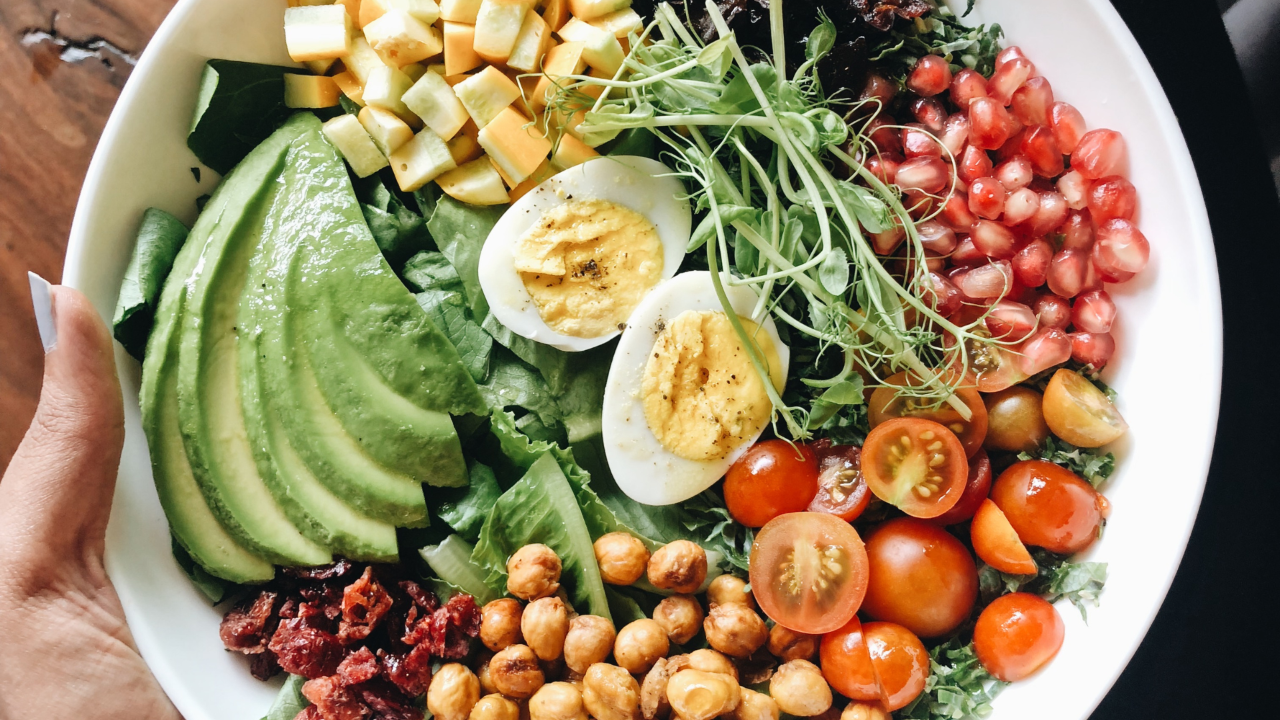
- Breakfast: Three-egg veggie scramble with avocado and a side of berries (protein-forward, blood-sugar steady).
- Lunch: Large salad with salmon or chicken, olive oil, mixed vegetables, chickpeas, and pumpkin seeds (protein, fiber, omega-3s, magnesium).
- Snack: Greek yogurt with chia and a few walnuts, or hummus with crunchy vegetables.
- Dinner: Grass-fed beef or tofu stir-fry with a rainbow of vegetables over a modest portion of quinoa.
Why \"Eat Less\" Backfires in Perimenopause
The most common mistake I see is doubling down on restriction: cutting calories hard, skipping meals, slashing carbs entirely. In perimenopause this tends to backfire. It accelerates muscle loss, spikes cortisol, worsens sleep, and pushes the body into conservation mode. Under-eating is one of the fastest ways to stall the very results you're after. The goal is to eat enough of the right things, not as little as possible.
When Diet Alone Isn't Enough
Nutrition is foundational, but perimenopause symptoms often have layered drivers. Thyroid conditions like Hashimoto's become more common in midlife and can masquerade as \"just perimenopause,\" an overlap I explore in Hashimoto's and perimenopause. Gut dysfunction, chronic stress and HPA-axis dysregulation, insulin resistance, and nutrient deficiencies can each keep symptoms locked in place no matter how well you eat. This is where individualized testing and a personalized plan make the difference between guessing and knowing.
The Bottom Line
The best perimenopause diet is not a stricter version of your old one. It's a smarter one, built around protein, blood sugar stability, fiber and gut health, key nutrients, and honest attention to how your body now responds to caffeine, alcohol, and processed foods. Do this consistently and most women find their energy, sleep, weight, and mood become far more manageable.
If you'd like a plan built around your specific body and labs, learn more about working with a perimenopause nutritionist, or start with my free Root Cause Assessment.
Supplements
Shop my professional-grade supplement dispensary
Get access to the practitioner-grade supplement brands I trust and recommend in my practice, shipped directly to your door through my Fullscript dispensary.
Create your free Fullscript account →Ready to get to the root cause?
If you're navigating perimenopause along with fatigue, weight changes, poor sleep, digestive symptoms, or thyroid concerns, I help women identify the underlying drivers through a personalized functional nutrition approach, whether you're here in NYC or anywhere in the country.
Book a complimentary discovery call →Dr. Sarah Khan, PhD, MBA
Integrative and Functional Nutritionist in NYC specializing in gut health, the gut-brain axis, autoimmune disease, and hormonal & metabolic health.