
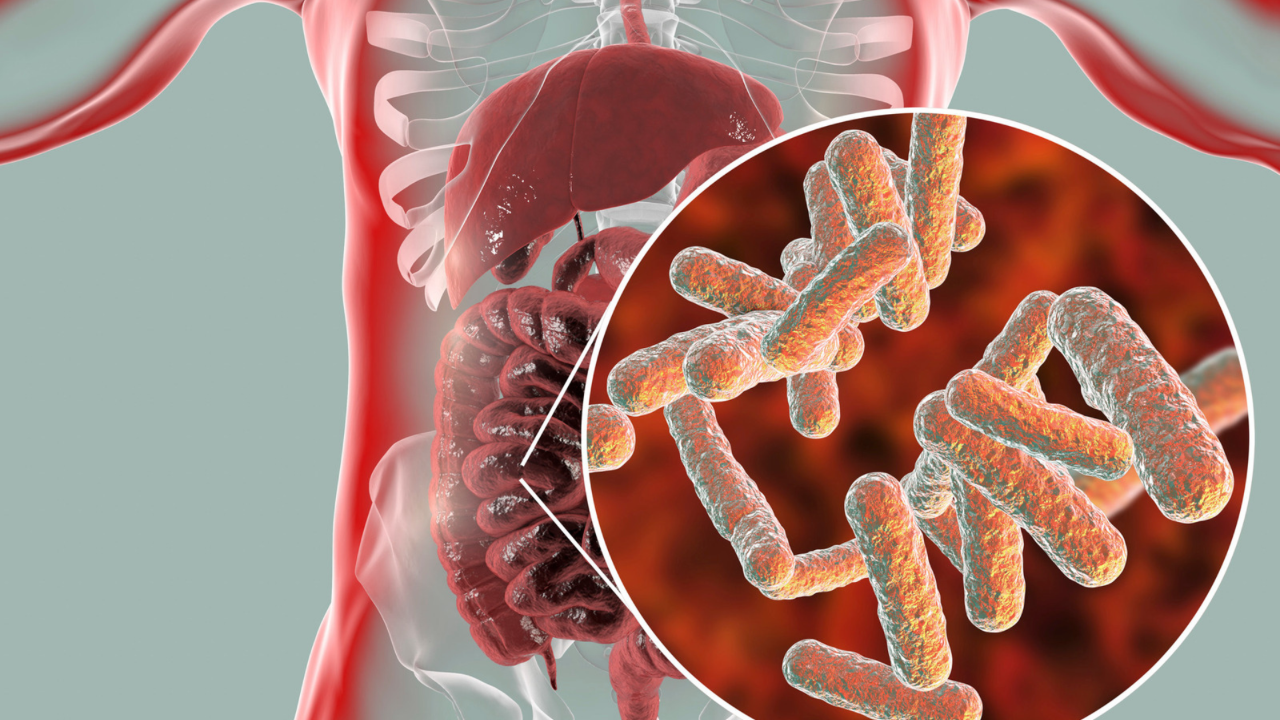
SIBO Subtypes Explained: Hydrogen, Methane (IMO), Hydrogen Sulfide, and SIFO
By Dr. Sarah Khan, PhD, MBA, Functional Nutritionist NYC | Hashimoto's, Hormone, Autoimmune & Gut Health Specialist
If you have been told you have SIBO, you have probably noticed something frustrating: the protocol that transformed someone else's symptoms did nothing for you. Same diagnosis, same supplements, completely different outcome.
That is usually not a failure of effort. It is a failure of specificity. "SIBO" is not one condition. It is a category that covers at least three distinct microbial patterns, plus a fungal cousin that gets misdiagnosed as SIBO constantly. Each one produces different symptoms, responds to different interventions, and relapses for different reasons.
This article walks through what actually distinguishes them, what your breath test is telling you, and why knowing your subtype is the difference between a plan that works and another year of guessing.
The Four Patterns
1. Hydrogen-dominant SIBO
This is classic small intestinal bacterial overgrowth. Bacteria that belong in the large intestine colonize the small intestine, where they ferment carbohydrates and release hydrogen gas.
The symptom picture skews toward diarrhea or loose stools, bloating that builds through the day and worsens after meals, and urgency. People often describe reacting to almost everything they eat, particularly fiber and fermentable carbohydrates that would be well tolerated by a healthy small intestine.
On a breath test, hydrogen-dominant SIBO shows a rise in hydrogen within the first 90 to 120 minutes.
2. Methane-dominant overgrowth, now called IMO
This one has been formally renamed, and the rename matters clinically. Intestinal methanogen overgrowth (IMO) is not caused by bacteria at all. It is caused by archaea, a separate domain of life, most commonly Methanobrevibacter smithii. Archaea are not bacteria, which is precisely why treatments aimed at bacteria so often fail here.
The other reason IMO was renamed: methanogens are not confined to the small intestine. They can overgrow throughout the large intestine too, which is why "small intestinal" was dropped from the name.
Methane slows intestinal transit. So where hydrogen SIBO tends toward diarrhea, IMO tends toward the opposite: chronic constipation, incomplete evacuation, severe distension that makes people look visibly pregnant by evening, and a sluggish, heavy feeling after eating. Weight gain and difficulty losing weight are common and rarely connected back to the gut.
IMO is also the most stubborn subtype and the most likely to relapse. Methanogens form resilient communities and frequently need a different therapeutic approach than hydrogen overgrowth.
3. Hydrogen sulfide SIBO
The most recently characterized and the most frequently missed, because standard two-gas breath tests do not measure hydrogen sulfide at all. Many people with this pattern receive a "flat line" or negative result and are told their gut is fine.
The signature is distinctive once you know it: rotten-egg or sulfur-smelling gas, diarrhea, sensitivity to sulfur-containing foods such as garlic, onions, eggs, cruciferous vegetables, and certain proteins. Bladder symptoms and histamine-type reactions show up more often here than in the other subtypes. Some people also describe a particular kind of fatigue that does not match their sleep.
A flat-line breath test with sulfur symptoms is a strong signal to look further rather than conclude nothing is wrong.
4. SIFO, which is not SIBO at all
Small intestinal fungal overgrowth involves yeast rather than bacteria or archaea. It produces symptoms that overlap heavily with SIBO, which is why it is so often treated as SIBO and fails to respond.
Suspect SIFO when someone has been treated for SIBO repeatedly with partial or no improvement, when symptoms flare notably with sugar and refined carbohydrates, or when there is a history of repeated antibiotic courses, long-term acid suppression, or steroid use. Recurrent yeast issues elsewhere in the body are another clue.
Breath testing does not detect SIFO. It requires different assessment entirely.
Why Subtype Changes the Plan
Consider two people who both "have SIBO."
The first has hydrogen overgrowth with diarrhea. The second has IMO with constipation so severe she goes four days without a bowel movement. If the second person follows a protocol built for the first, she may reduce fermentation somewhat while doing nothing about the archaea driving her transit problem, and nothing about the slow motility that let the overgrowth establish in the first place. She will likely feel marginally better, then relapse.
The differences run through every layer of the plan. Dietary approach differs, because sulfur restriction is central to hydrogen sulfide and largely irrelevant to IMO. Motility support differs in urgency, because it is the whole game in methane-dominant cases. Antimicrobial strategy differs, because archaea and yeast do not respond to what bacteria respond to. And the timeline differs, because IMO is genuinely slower to resolve and setting the wrong expectation causes people to abandon a working plan too early.
Root Cause Is Still the Real Question
Here is what I want to be honest about: identifying your subtype tells you what is overgrowing. It does not tell you why.
Overgrowth is downstream of something. The most common upstream drivers I see are impaired migrating motor complex function, meaning the wave that sweeps the small intestine clean between meals is not firing properly. Others include low stomach acid, often from years of acid-suppressing medication, structural issues such as adhesions from prior surgery, thyroid dysfunction, since hypothyroidism and Hashimoto's both slow gut transit, a history of food poisoning that triggered post-infectious changes to motility, and chronic stress physiology suppressing digestive function.
This is why relapse rates for SIBO are high when treatment stops at killing the overgrowth. Clear the organisms without correcting the reason they were able to establish, and the same conditions produce the same result within months. Addressing the driver is what makes remission hold.
It is also why the overlap with IBS is so significant. A meaningful share of people carrying an IBS diagnosis have an identifiable overgrowth pattern that was never investigated.
What to Do With This
If you have been treated for SIBO without lasting results, the useful questions are these. Do you know which gas your test measured, and did it include hydrogen sulfide? If your result was flat or negative but your symptoms are real, has anyone considered hydrogen sulfide or SIFO? If your dominant symptom is constipation and distension, was your plan built for methane specifically? And most importantly, has anyone investigated why the overgrowth happened rather than only what to take for it?
Those questions are usually the difference between another round of the same protocol and an actual answer.
Frequently Asked Questions
What is the difference between SIBO and IMO?
SIBO is bacterial overgrowth in the small intestine. IMO, intestinal methanogen overgrowth, is caused by archaea rather than bacteria and can involve the large intestine as well, which is why the name changed. IMO typically causes constipation while hydrogen-dominant SIBO typically causes diarrhea, and they require different treatment approaches.
Why was my SIBO breath test negative when I still have symptoms?
Standard breath tests measure hydrogen and methane but not hydrogen sulfide, so hydrogen sulfide SIBO frequently produces a flat or negative-looking result. SIFO, fungal overgrowth, is not detected by breath testing at all. A negative test with clear symptoms warrants further investigation rather than dismissal.
Which SIBO subtype is hardest to treat?
Methane-dominant IMO is generally the most stubborn and the most likely to relapse. Methanogens are archaea rather than bacteria, they form resilient communities, and the slowed motility that accompanies methane both results from and contributes to the overgrowth, which makes it self-reinforcing.
Can you have more than one subtype at the same time?
Yes. Mixed patterns are common, particularly hydrogen alongside methane, and fungal overgrowth can coexist with bacterial overgrowth. This is one reason single-target protocols often produce partial improvement that then stalls.
Why does SIBO keep coming back?
Because treatment usually addresses the overgrowth without addressing the reason it developed. Impaired motility, low stomach acid, thyroid dysfunction, structural issues, and post-infectious changes all create conditions where overgrowth re-establishes. Sustained remission depends on correcting the underlying driver, not only clearing the organisms.
Supplements
Shop my professional-grade supplement dispensary
Get access to the practitioner-grade supplement brands I trust and recommend in my practice, shipped directly to your door through my Fullscript dispensary.
Create your free Fullscript account →Ready to get to the root cause?
If you have been treated for SIBO without lasting relief, or told your test was normal while your symptoms continued, I help identify which pattern you are actually dealing with and what is driving it. Learn more about my approach on my SIBO and IMO page. Based in NYC, working with clients virtually nationwide.
Book a complimentary discovery call →Dr. Sarah Khan, PhD, MBA
Integrative and Functional Nutritionist in NYC specializing in gut health, the gut-brain axis, autoimmune disease, and hormonal and metabolic health.