
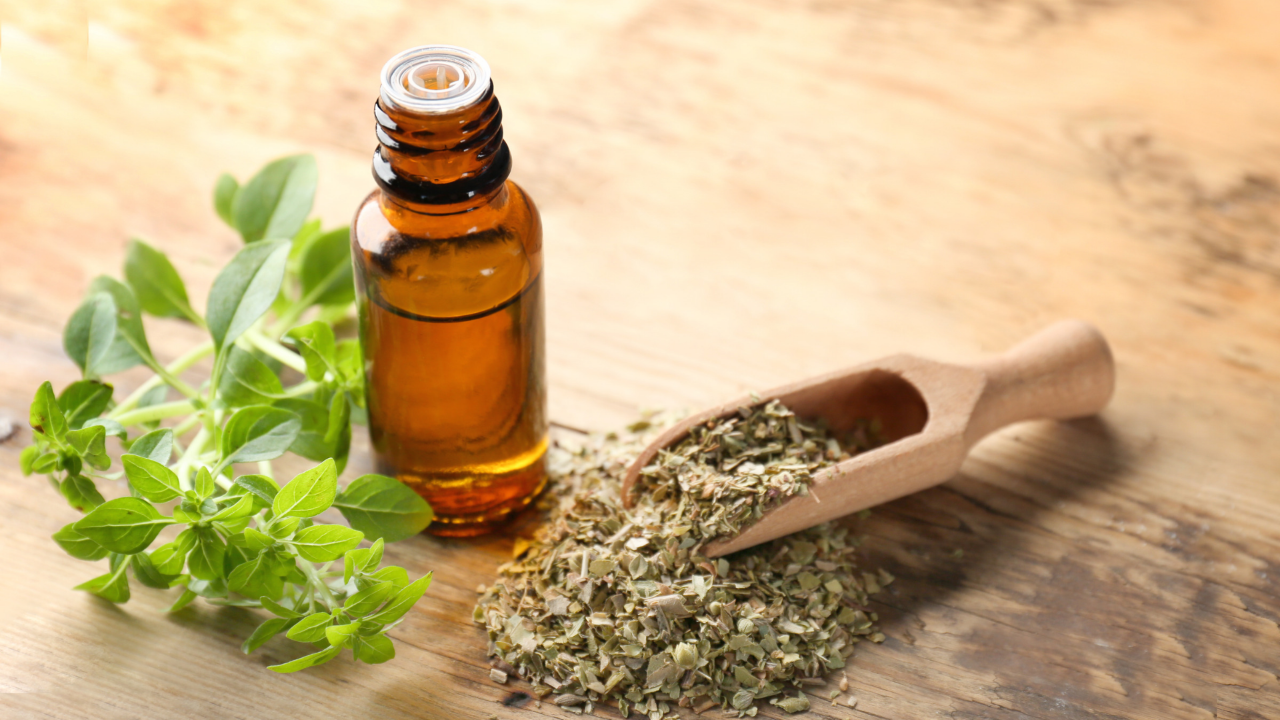
Oregano Oil for Colds: Does It Work and How Should You Take It?
By Dr. Sarah Khan, PhD, MBA
Functional Nutritionist NYC | Hashimoto's, Hormone, Autoimmune & Gut Health Specialist
Oregano oil is one of the natural remedies I keep stocked in my own medicine cabinet, so it is there when I feel a cold coming on or start noticing flu-like symptoms. Oregano contains powerful plant compounds, particularly carvacrol and thymol, that have demonstrated antimicrobial, antioxidant, and anti-inflammatory properties in research.
There is an important catch, though. We do not currently have strong human evidence showing that oregano oil prevents or cures the common cold, the flu, COVID-19, or other respiratory infections.
That does not make oregano oil useless. It means we need to be clear about what it can plausibly do, what the research actually shows, and how to use it appropriately. Let's break it down.
The short answer
Oregano oil has real antimicrobial and antiviral activity in laboratory studies, driven mostly by carvacrol and thymol. That activity has not been shown to translate into curing or preventing colds in humans.
It is best thought of as an optional short-term botanical you keep on hand, not a daily supplement and not a replacement for medical treatment.
|
Lab evidence Strong |
Human cold evidence Limited |
Best use Short-term |
What Is Oregano Oil?
Oregano (Origanum vulgare) is far more than a seasoning. The plant naturally contains bioactive compounds including:
- Carvacrol
- Thymol
- Rosmarinic acid
- Flavonoids
- Terpenes
Carvacrol and thymol are the two compounds researchers have studied most extensively, and they appear to be responsible for much of oregano's antimicrobial activity. That is also why oregano shows up so often in integrative and functional medicine protocols.
Oregano Oil vs. Oil of Oregano vs. Oregano Essential Oil
Before going further, there is a safety distinction that matters more than almost anything else in this article. The terms get used interchangeably online, and they are not the same product.
| Product | What it is | Safe to swallow? |
|---|---|---|
| Oil of oregano | An oregano extract diluted in a carrier oil, sold as softgels, capsules, or liquid drops | Yes, when the product is specifically formulated and labeled for oral use |
| Oregano essential oil | A highly concentrated steam-distilled aromatic oil intended for diffusion or diluted topical use | No, not unless a qualified professional has specifically directed otherwise |
| "Oregano oil" | A catch-all term used for both of the above, which is exactly where people get into trouble | Depends entirely on the label, so read it |
Important: I do not recommend taking a bottle of pure oregano essential oil and swallowing drops directly. If you are considering oregano orally, choose a reputable product specifically formulated and labeled for oral consumption, and follow its directions.
Does Oregano Oil Actually Work for Colds?
Potentially, but we need to separate what is biologically plausible from what has actually been demonstrated in humans. Here is where the evidence sits today.
Oregano Has Real Antimicrobial Properties
This is where the evidence is strongest. Carvacrol and thymol have demonstrated activity against a variety of bacteria and fungi in laboratory studies. One way they appear to work is by disrupting microbial cell membranes, making it harder for certain microorganisms to survive and function normally.
That is interesting and potentially useful. It is also worth stating plainly:
Killing a microorganism in a laboratory dish is not the same as demonstrating that an oregano oil supplement treats an infection in the human body.
What About Viruses?
Oregano and its compounds have also demonstrated antiviral activity in laboratory research, and this is probably where most of the claims about taking oregano oil for colds originate. Human clinical research is far more limited.
At this point, we cannot say oregano oil has been proven to prevent or treat the common cold, influenza, COVID-19, or other viral respiratory infections. I would not describe it as a natural alternative to antibiotic or antiviral medication. I think of it as a potential short-term botanical adjunct, and that distinction matters.
Why Lab Results Do Not Automatically Apply to You
A compound that disrupts a virus in a petri dish has to clear several hurdles before it can do the same thing in your respiratory tract. It has to:
- Survive digestion
- Be absorbed
- Reach the relevant tissue at a meaningful concentration
- Do all of that at a dose that is safe to take
Most botanical research never gets tested against those hurdles. That is the gap between "shows antiviral activity in vitro" and "treats your cold."
Can Oregano Oil Prevent You From Getting Sick?
There is not good evidence showing that taking oregano oil every day will prevent you from catching a cold. From a functional medicine perspective, I also do not think that is the best way to use it.
Your immune system depends on far more than one supplement. Long-term immune resilience is built on:
- Adequate sleep
- Sufficient protein
- A nutrient-dense diet
- Vitamin and mineral adequacy
- Regular physical activity
- A diverse gut microbiome
- Healthy blood sugar regulation
- Stress management
- Appropriate infection-prevention measures
Those are the foundation. Oregano oil is an optional tool that can sit on top of that foundation. If you want to understand why the gut piece carries so much weight here, it helps to know that a large share of your immune system lives in and around your gut.
When Might Oregano Oil Be Useful?
For an otherwise healthy adult, I view oregano oil as something you might keep on hand for selective, short-term use rather than take continuously. Some people choose to use an oral oregano preparation when they first notice symptoms such as:
- A scratchy throat
- Mild congestion
- Early cold symptoms
- That familiar feeling of "I think I'm coming down with something"
Keep expectations realistic. I would not think, "Oregano oil is going to kill this virus." I would think, "Oregano contains interesting antimicrobial and anti-inflammatory compounds, so I'm using it as one optional supportive tool while giving my immune system what it actually needs." That is a much more evidence-based way to approach it.
How Should You Take Oregano Oil for a Cold?
There is no well-established clinical dose of oregano oil for treating a cold. That matters, because you will find very specific dosing protocols online that are not supported by human clinical trials.
Instead, I recommend choosing an oral product from a reputable manufacturer and following the product-specific directions. Look for a product that clearly identifies:
- The oregano species. Ideally you know which oregano plant the extract came from.
- Carvacrol content. Higher-quality products often identify or standardize carvacrol content.
- Intended use. The label should explicitly state that it is formulated for oral consumption.
- Appropriate dilution. Concentrated oregano can be irritating.
- Quality testing. Look for transparent manufacturing and, preferably, independent third-party testing.
More is not better. If oregano oil causes burning, nausea, reflux, diarrhea, or abdominal pain, do not assume that is evidence it is working. It may simply be irritating your gastrointestinal tract.
Why I Don't Recommend Taking Oregano Oil Every Day
Oregano oil's antimicrobial activity is exactly what makes it interesting. It is also why I do not think anyone should take concentrated oregano indefinitely.
Your gut contains trillions of microorganisms, many of which are beneficial and play important roles in:
- Immune regulation
- Digestion
- Vitamin production
- Gut-barrier health
- Short-chain fatty acid production
- Inflammation
We do not have sufficient human evidence showing that taking concentrated oregano oil every day improves long-term immune health. From a functional nutrition perspective, I would rather support your microbiome with fiber, plant diversity, polyphenols, and fermented foods when tolerated than continuously expose it to concentrated antimicrobial compounds without a specific reason. My guide to probiotics, prebiotics, and postbiotics covers what that looks like in practice.
Oregano Oil, SIBO, and Gut Health
Oregano oil is frequently included in functional medicine protocols for gut dysbiosis and SIBO. Context matters here too. Oregano is not a "good-bacteria-only" antimicrobial.
If you are already taking antimicrobial herbs for SIBO or another gastrointestinal condition, adding more oregano oil because you feel a cold coming on may not make sense. This is particularly worth thinking through if you have:
- IBS
- SIBO or IMO
- Significant bloating
- GERD
- Gastritis
- Chronic diarrhea
- A very sensitive digestive system
More antimicrobials do not automatically equal better gut health. This is the same pattern I see with gut supplements that are not working: the issue is usually sequencing and root cause, not the product.
What Should You Actually Do at the First Sign of a Cold?
Oregano oil should not be the entire strategy. I focus first on supporting the body's normal immune response.
1. Prioritize Sleep
Sleep is one of the most important levers for immune health. If you feel yourself getting sick, give your body more rest rather than pushing through your normal schedule. Aim for 7 to 9 hours, and potentially more while you are actively sick.
2. Stay Hydrated
Water, herbal tea, soups, and broths all help maintain hydration. If you are experiencing fever, sweating, vomiting, or diarrhea, your fluid needs increase.
3. Don't Forget Protein
Protein provides the amino acids needed for numerous immune processes. When you are sick, choose foods that are nourishing but easy to tolerate: eggs, Greek yogurt, chicken or fish, lentil soup, bone broth with added protein, smoothies, or tofu.
4. Eat Nutrient-Dense Foods
Your immune system requires adequate vitamins and minerals to function. Particularly relevant nutrients include vitamin D, vitamin C, zinc, selenium, iron, copper, folate, B12, and vitamin A. The goal is nutrient adequacy, not megadosing. If you want to go deeper on one of them, vitamin D is worth understanding well.
5. Add Targeted Support
Once the fundamentals are covered, this is where botanicals such as oregano may fit. Other foods and botanicals commonly used in an immune-supportive diet include ginger, garlic, turmeric, green tea, berries, citrus, and culinary herbs and spices. Food first, targeted supplementation second.
Who Should Be Careful With Oregano Oil?
Concentrated oregano preparations are not appropriate for everyone. Talk with your healthcare provider or pharmacist before using medicinal amounts of oregano if you:
- Are pregnant or breastfeeding
- Take prescription medications
- Take anticoagulant or antiplatelet medications
- Have a bleeding disorder
- Take medications that lower blood sugar
- Have GERD or gastritis
- Have significant gastrointestinal sensitivity
- Are preparing for surgery
- Have an allergy to oregano or related plants in the mint family
Children should not be given concentrated oregano products without appropriate professional guidance.
When Oregano Oil Isn't Enough
Natural does not mean every illness should be treated at home, and oregano oil should never delay appropriate medical treatment. It is not a substitute for antibiotics when you have a bacterial infection that requires them, and it is not a proven treatment for influenza, COVID-19, pneumonia, or other serious infections.
Seek medical care if you have
- Difficulty breathing or chest pain
- Confusion
- Signs of dehydration
- Severe or persistent fever
- Symptoms that significantly worsen
- An illness that improves and then suddenly gets worse
Frequently Asked Questions
Does oregano oil actually kill viruses?
Oregano compounds, particularly carvacrol, have shown antiviral activity in laboratory studies. That has not been shown to translate into killing viruses inside the human body at doses people actually take, so it is accurate to say oregano oil has antiviral activity in vitro and inaccurate to say it cures viral infections.
How much oregano oil should I take for a cold?
There is no established clinical dose for treating a cold, which is why I do not publish one. Follow the directions on a quality product formulated for oral use, and do not escalate the dose because you want faster results.
How long can you take oregano oil?
I use it as a short-term tool, typically only around the window when symptoms are starting, rather than continuously. Longer or repeated courses in the context of a gut protocol should be supervised, because concentrated antimicrobials affect beneficial organisms too.
Does oregano oil kill good gut bacteria?
Oregano's antimicrobial compounds are not selective, so they can affect beneficial organisms alongside the ones you are targeting. That is the main reason I do not recommend indefinite daily use, especially for anyone with an existing gut condition.
Can I take oregano oil every day for prevention?
I do not recommend it. There is no good human evidence that daily oregano oil prevents colds, and daily exposure to a concentrated antimicrobial is a meaningful ask of your microbiome for an unproven benefit.
Can you put oregano essential oil in water and drink it?
Undiluted oregano essential oil is not intended for oral consumption. If you want to take oregano orally, use a product specifically formulated and labeled for that purpose.
What are the side effects of oregano oil?
The most common issues are gastrointestinal: burning, nausea, reflux, diarrhea, or abdominal pain. Allergic reactions are possible, particularly for people sensitive to plants in the mint family, and there are potential interactions with blood-thinning and blood-sugar-lowering medications.
The Bottom Line
Key takeaways
- Carvacrol and thymol have demonstrated antimicrobial, antioxidant, and anti-inflammatory activity in experimental research.
- We do not currently have strong human evidence that oregano oil prevents or cures the common cold or other viral respiratory infections.
- If you use it, choose a quality oral formulation, follow the manufacturer's directions, and use it short-term.
- It is never a replacement for appropriate medical care.
So should you throw it out? Not necessarily. Oregano oil can have a place in a thoughtfully stocked medicine cabinet as a short-term, targeted botanical, provided you understand its limitations.
Most importantly, remember that immune health is not built when you get sick. It is built every day through sleep, nutrition, adequate protein, micronutrient sufficiency, movement, gut health, and stress management. That is the functional medicine approach I prefer: the right intervention, for the right person, at the right time, for the appropriate duration. Oregano oil is one potential tool in a much bigger toolkit.
Educational content only. This information is not intended to diagnose, prevent, or treat any medical condition and is not a substitute for individualized medical care.
Supplements
Shop my professional-grade supplement dispensary
Get access to the practitioner-grade supplement brands I trust and recommend in my practice, shipped directly to your door through my Fullscript dispensary.
Create your free Fullscript account →Ready to get to the root cause?
If you're dealing with frequent illness, chronic fatigue, digestive symptoms, autoimmune disease, Hashimoto's, SIBO/IMO, or hormonal and metabolic concerns, I help you identify the underlying drivers through a personalized functional nutrition approach, whether you're here in NYC or anywhere in the country.
Book a complimentary discovery call →Dr. Sarah Khan, PhD, MBA
Integrative and Functional Nutritionist in NYC specializing in gut health, the gut-brain axis, autoimmune disease, and hormonal & metabolic health.