
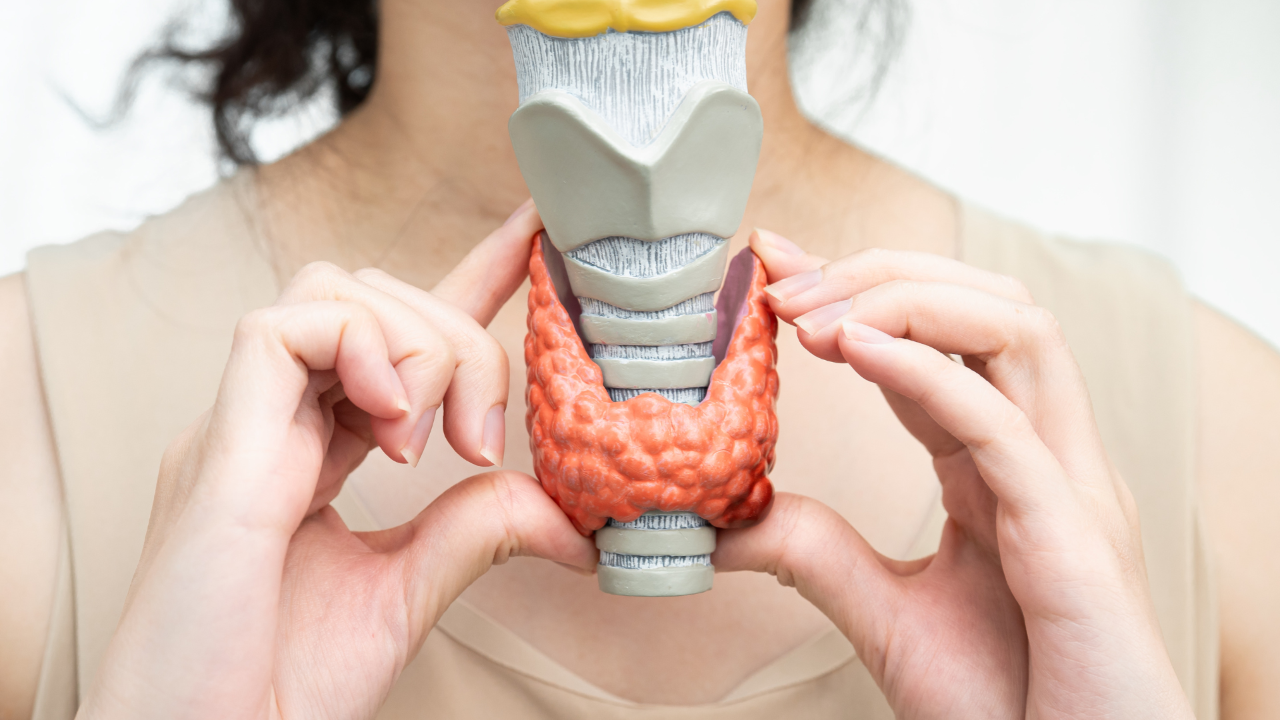
Why Do I Still Feel Bad If My Thyroid Labs Are Normal?
Understanding persistent symptoms in Hashimoto's thyroiditis.
"Your labs look normal."
For many people living with Hashimoto's thyroiditis, those words can be incredibly frustrating.
You may have been told your thyroid medication is working because your TSH falls within the normal reference range. Yet despite "normal" lab results, you're still experiencing:
- Fatigue
- Brain fog
- Weight gain
- Anxiety
- Depression
- Hair loss
- Constipation
- Low motivation
- Poor exercise recovery
- Difficulty concentrating
If this sounds familiar, you're not alone. Research has shown that many individuals with Hashimoto's and hypothyroidism continue to experience symptoms despite achieving biochemical euthyroidism, meaning their thyroid hormone levels appear normal on standard laboratory testing.
The good news is that these symptoms are real, and there may be explanations beyond a single thyroid lab value.
What Is Hashimoto's Thyroiditis?
Hashimoto's thyroiditis is an autoimmune condition in which the immune system mistakenly attacks thyroid tissue. Over time, this immune attack can reduce the thyroid gland's ability to produce adequate thyroid hormone.
Hashimoto's is the leading cause of hypothyroidism in the United States and affects women far more frequently than men.
While thyroid hormone replacement can be an important part of treatment, thyroid hormone levels are only one piece of a much larger picture. Hashimoto's is not simply a thyroid condition. It is an immune system condition that affects the thyroid. This distinction matters.
Why "Normal" Thyroid Labs Don't Always Mean Optimal Health
One of the biggest misconceptions in thyroid care is that normal laboratory values automatically mean a person should feel well. In reality, laboratory reference ranges are designed to identify disease, not necessarily optimal function. Many patients with Hashimoto's continue to experience symptoms despite thyroid hormone levels falling within conventional ranges.
Several factors may contribute to this disconnect.
Reason #1: TSH Doesn't Tell the Whole Story
Many primary care visits evaluate thyroid function using only TSH (thyroid-stimulating hormone). TSH is valuable, but it is not a thyroid hormone. It is a signal sent from the brain to the thyroid. It does not directly measure:
- Available thyroid hormone
- Active thyroid hormone
- Thyroid autoimmunity
- Inflammation
A more comprehensive thyroid assessment may include TSH, Free T4, Free T3, Thyroid Peroxidase Antibodies (TPOAb), Thyroglobulin Antibodies (TgAb), and Reverse T3. While not every individual requires every marker, relying exclusively on TSH can overlook important pieces of the clinical picture.
Reason #2: Autoimmunity May Still Be Active
Hashimoto's is fundamentally an autoimmune disease. Even if thyroid hormone levels are stable, immune activation may continue. Research suggests that thyroid autoimmunity itself may contribute to reduced quality of life, fatigue, mood changes, and cognitive symptoms independent of thyroid hormone levels.
This means that someone can technically have "normal" thyroid function while still experiencing symptoms associated with ongoing immune dysregulation. Functional nutrition focuses on supporting the factors that influence immune balance, including gut health, sleep, stress management, nutrient status, blood sugar regulation, and inflammation.
Reason #3: Chronic Inflammation Can Drive Symptoms
Inflammation requires energy. When the immune system remains activated, the body may redirect resources away from optimal energy production. Many individuals with Hashimoto's experience elevated inflammatory signaling, which can contribute to:
- Fatigue
- Brain fog
- Joint pain
- Mood changes
- Exercise intolerance
Markers that may provide additional insight include hs-CRP, ESR, and homocysteine. Inflammation is not always visible on routine thyroid testing.
Reason #4: Nutrient Deficiencies Are Common in Hashimoto's
Several nutrient deficiencies frequently occur alongside Hashimoto's. These nutrients play critical roles in thyroid hormone production, immune regulation, mitochondrial energy production, and cognitive function. Important nutrients to evaluate may include:
- Iron: Low ferritin levels are a common contributor to fatigue, hair loss, and poor thyroid function.
- Vitamin D: Research suggests vitamin D deficiency is more prevalent in individuals with autoimmune thyroid disease and may influence immune regulation.
- Vitamin B12: Low B12 can contribute to fatigue, brain fog, numbness, tingling, and memory issues.
- Selenium: Selenium is involved in thyroid hormone metabolism and antioxidant protection within thyroid tissue.
Reason #5: Blood Sugar Dysregulation
Many women with Hashimoto's struggle with blood sugar instability. Blood sugar fluctuations may contribute to fatigue, anxiety, cravings, brain fog, and poor sleep. When blood sugar rises rapidly and subsequently crashes, the body releases stress hormones to restore balance. Over time, this can create significant stress on the body and worsen overall symptom burden.
One of the first steps I take with clients is improving blood sugar regulation through protein-forward meals, fiber-rich foods, balanced meal timing, and strategic carbohydrate intake.
Reason #6: Gut Health May Be Playing a Role
The gut and immune system are deeply interconnected. Approximately 70% of the immune system resides within the gastrointestinal tract. Research has identified associations between Hashimoto's and conditions such as celiac disease, intestinal permeability, dysbiosis, and Small Intestinal Bacterial Overgrowth (SIBO).
Common signs that gut dysfunction may be contributing include bloating, gas, constipation, diarrhea, food sensitivities, and reflux. Addressing gut health is often an important component of a comprehensive Hashimoto's strategy.
Reason #7: Stress and the Nervous System Matter
Chronic stress affects nearly every system involved in thyroid health. Persistent stress may influence sleep quality, digestion, immune regulation, blood sugar control, and inflammation. Many women with Hashimoto's are high achievers who have spent years operating in a constant state of stress, and the signs of chronically elevated cortisol are easy to normalize. Supporting nervous system regulation is often a missing piece of the puzzle.
Reason #8: Perimenopause May Be Overlapping With Thyroid Symptoms
Many symptoms commonly attributed to Hashimoto's also occur during perimenopause, including fatigue, weight gain, mood changes, brain fog, and sleep disturbances. As estrogen and progesterone fluctuate, thyroid symptoms may become more noticeable. This is one reason why a whole-body approach is often more effective than focusing exclusively on thyroid hormone levels.
What I Look At Beyond Thyroid Labs
When working with clients who have Hashimoto's, I evaluate multiple systems that influence energy, inflammation, and symptom burden. These may include:
- Thyroid function: TSH, Free T4, Free T3, antibodies
- Nutrient status: Ferritin, Vitamin D, B12, folate
- Metabolic health: Fasting glucose, insulin, hemoglobin A1c
- Inflammation: hs-CRP, homocysteine
- Gut health: Digestive symptoms, stool testing when appropriate, SIBO history
- Lifestyle factors: Sleep, stress, movement, nutrition
A Functional Nutrition Perspective on Hashimoto's
The goal is not simply to normalize a lab value. The goal is to help you feel better.
Hashimoto's is a complex condition influenced by immune function, inflammation, nutrient status, gut health, blood sugar regulation, sleep quality, and stress physiology. By addressing these interconnected systems, many individuals discover opportunities to improve energy, cognitive function, digestive health, and overall quality of life.
Supplements
Shop my professional-grade supplement dispensary
Find the iron, vitamin D, B12, and selenium formulas I trust in my practice — all practitioner-grade and shipped to your door — through my Fullscript dispensary.
Create your free Fullscript account →Ready to get to the root cause of your symptoms?
If you've been told your thyroid labs are normal but you still don't feel like yourself, there may be additional factors contributing to your symptoms. I offer complimentary discovery calls to explore whether a personalized functional nutrition approach is right for you.
Book a complimentary discovery call →Dr. Sarah Khan, PhD, MBA
Integrative and Functional Nutritionist in NYC specializing in gut health, the gut-brain axis, autoimmune disease, and hormonal & metabolic health.