
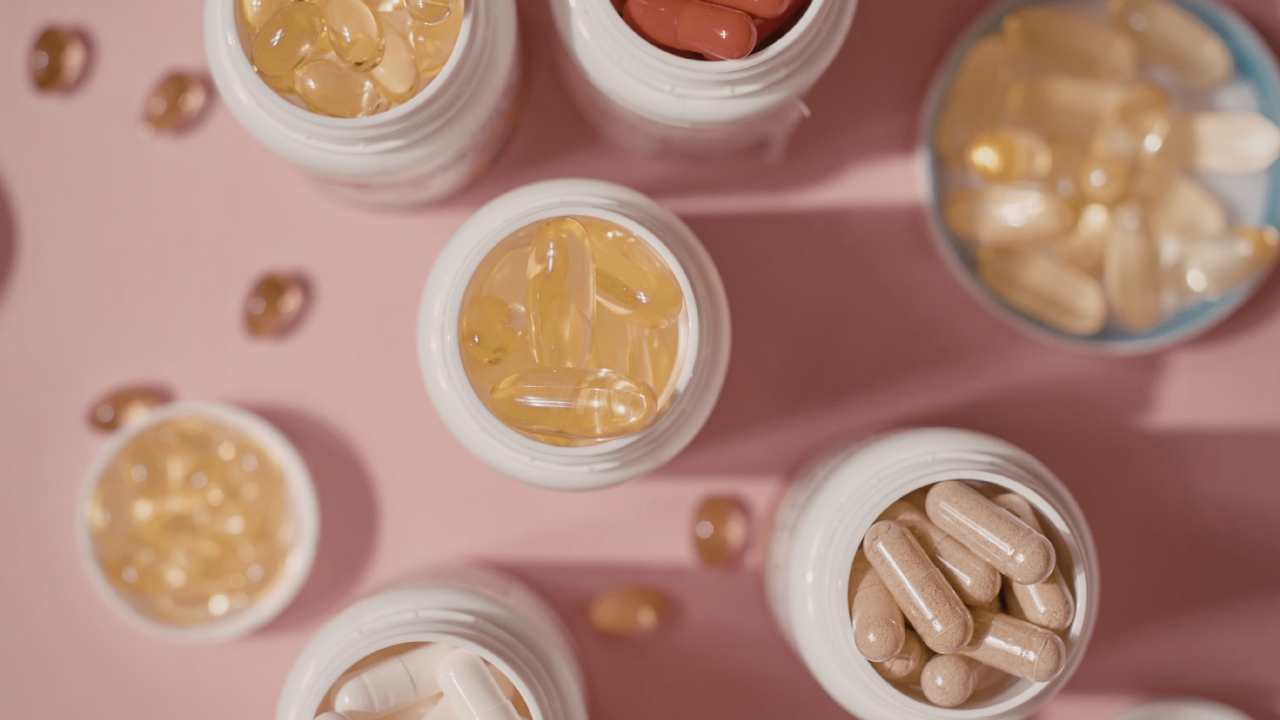
Fall Immune Support: A Simple, Gut-First Guide
Free 15-minute discovery call
Always catching what's going around?
Let's find out what your immune system actually needs this season. Book a complimentary call and we'll talk through your symptoms, labs and next steps.
Book your free discovery call →By Dr. Sarah Khan, PhD, MBA, Integrative and Functional Nutritionist in NYC · Published October 7, 2026
Quick answer
The best way to support your immune system naturally in the fall is to start with your gut, where about 70 percent of your immune system lives. Then focus on three key nutrients (vitamin D, vitamin C and zinc), use elderberry and ginger tea as gentle helpers, and protect your sleep, stress and blood sugar.
Cold and flu season is here. The good news? You don't need a cabinet full of supplements to stay well.
In functional medicine, we look at the immune system as a whole. It depends on your gut, a few key nutrients, and daily habits like sleep and stress. Get those basics right, and your body is much better at fighting off bugs and bouncing back fast.
Here's what matters most for fall immune support, in plain language.
1. Start With Your Gut
About 70 percent of your immune system lives in your gut. The good bacteria there help train your immune cells and keep inflammation calm. A healthy gut lining also acts like a wall that keeps unwanted things out. (Want the deeper dive? Read The Autoimmune and Gut Connection.)
Easy ways to support your gut
- Eat lots of different plants. Try for 30 different plant foods a week. Fruits, veggies, beans, nuts, seeds, herbs and spices all count.
- Add a fermented food to each meal. Sauerkraut, kimchi, kefir, plain yogurt or miso.
- Eat prebiotic fiber that feeds good bacteria. Garlic, onions, leeks, oats, asparagus and beans.
- Go easy on sugar, alcohol and processed foods. They're hard on your gut lining.
If fermented foods or fiber make you bloated, talk to a practitioner. It can be a sign of SIBO or another gut issue worth looking into.
2. Focus on Three Key Nutrients
Vitamin D
What it does: Helps your immune cells fight germs and keeps inflammation in check. People with low vitamin D tend to get more colds.
Why fall matters: Less sun means your body makes less vitamin D. Most people in the northern US run low by winter.
Where to get it: Salmon, sardines, egg yolks and UV-exposed mushrooms. Many people also need a supplement.
Tip: Ask your doctor for a vitamin D blood test so you know how much to take. (More in my post on vitamin D and autoimmune disease.)
Vitamin C
What it does: Powers your white blood cells and helps you recover faster when you do get sick.
Where to get it: Red bell peppers, kiwi, oranges, strawberries, broccoli and camu camu powder.
Tip: Your body doesn't store vitamin C, so eat some every day. Smaller amounts spread through the day work best. If you supplement, liposomal vitamin C lets you take larger doses more comfortably.
Zinc
What it does: Helps your body build immune cells and keeps your gut lining strong.
Where to get it: Oysters, beef, pumpkin seeds, cashews, chickpeas and lentils.
Tip: Zinc lozenges taken in the first 24 hours of a cold may help it pass sooner. Don't take high doses for months, and skip zinc nasal sprays.
Bonus nutrients: Vitamin A (eggs, sweet potatoes, carrots), selenium (1 to 2 Brazil nuts a day) and omega-3s (salmon, sardines) also help your immune system run smoothly.
3. Use Nature's Helpers
Elderberry
Elderberry is a dark purple berry that may help your body block viruses. Studies show it can make colds and flu shorter and milder.
How to use it: Take an elderberry syrup or gummy at the first sign of a cold, or when you're traveling.
- Never eat raw elderberries. Store-bought products are safe.
- If you have an autoimmune condition like Hashimoto's, or you're pregnant, check with your practitioner first.
Ginger Tea
Ginger calms inflammation, soothes a sore throat and helps digestion. A warm mug also keeps you hydrated when you're feeling run down.
Recipe
Simple Immune-Supporting Ginger Tea
- Slice 1 to 2 inches of fresh ginger (no need to peel).
- Simmer in 2 cups of water for 10 to 15 minutes.
- Strain into a mug and let it cool a little.
- Add a squeeze of lemon and a teaspoon of raw honey.
Want extra flavor? Add a cinnamon stick or a few slices of fresh turmeric while it simmers. Don't give honey to babies under 1.
4. Don't Skip the Basics
No supplement can make up for these daily habits:
- Sleep 7 to 9 hours. People who sleep less than 6 hours are much more likely to catch a cold.
- Manage stress. Ongoing stress weakens your immune system. Even a 10-minute walk or a few deep breaths helps.
- Keep blood sugar steady. Build meals around protein, veggies and healthy fats. Too much sugar slows down your immune cells.
- Move your body. Regular, moderate exercise keeps your immune system sharp.
Your Fall Immune Checklist
✓ Eat a variety of plants and a fermented food with each meal
✓ Get your vitamin D level checked
✓ Eat vitamin C and zinc-rich foods every day
✓ Keep elderberry on hand for the first sign of a cold
✓ Enjoy a cup of ginger tea
✓ Protect your sleep and take breaks from stress
Frequently Asked Questions
How can I support my immune system naturally in the fall?
Start with your gut by eating a wide variety of plants, fermented foods and prebiotic fiber. Make sure you're getting enough vitamin D, vitamin C and zinc, and protect your sleep, stress levels and blood sugar. Elderberry and ginger tea can add extra support.
What is the best vitamin for immune support in the fall?
Vitamin D is often the biggest gap in fall and winter because sunlight drops. Vitamin C and zinc matter too. The best plan starts with testing so you know what you actually need.
What foods boost your immune system?
Red bell peppers, kiwi and citrus for vitamin C; oysters, beef and pumpkin seeds for zinc; salmon and sardines for vitamin D and omega-3s; and fermented foods like sauerkraut, kimchi and kefir to support the gut, where most of your immune system lives.
How does gut health affect immunity?
About 70 percent of your immune system lives in your gut. Good bacteria and a strong gut lining help your immune system respond to germs without causing extra inflammation.
Is elderberry safe to take every day?
Most people use elderberry short term, at the first sign of a cold or during travel. If you have an autoimmune condition or are pregnant, check with your practitioner first.
Want a Plan Made for You?
Every body is different. Lab testing can show exactly what your immune system needs, so you're not guessing. I see clients in person in Manhattan and virtually nationwide, and the first step is a free discovery call.
Research behind this post: Martineau et al., BMJ 2017 (vitamin D); Hemilä & Chalker, Cochrane 2013 (vitamin C); Hemilä, JRSM Open 2017 (zinc); Tiralongo et al., Nutrients 2016 and Zakay-Rones et al., J Int Med Res 2004 (elderberry); Wastyk et al., Cell 2021 (fermented foods); McDonald et al., mSystems 2018 (plant diversity); Prather et al., Sleep 2015 (sleep).
This post is for education only and isn't medical advice. Check with your healthcare provider before starting new supplements, especially if you're pregnant, nursing, have a health condition or take medication.
Supplements
Shop my professional-grade supplement dispensary
Find the vitamin D, vitamin C, zinc and elderberry formulas I trust, third-party tested and shipped directly to your door (at a discount) through my Fullscript dispensary.
Create your free Fullscript account →Ready to get to the root cause?
If you're tired of getting sick every season, I offer complimentary discovery calls to explore whether a personalized functional nutrition approach is right for you.
Book a complimentary discovery call →Dr. Sarah Khan, PhD, MBA
Integrative and Functional Nutritionist in NYC specializing in gut health, the gut-brain axis, autoimmune disease, and hormonal & metabolic health.